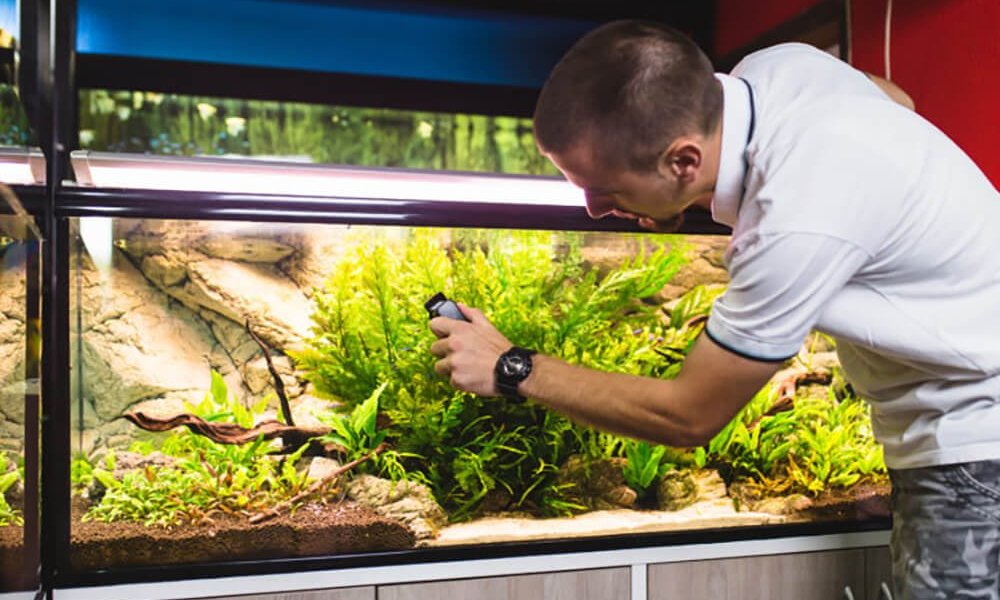
Cleaning your aquarium is one of the most important parts of fishkeeping, but done carelessly it can cause serious stress or even death for your fish. The key is understanding what actually needs cleaning, how often, and which methods keep the water chemistry stable while you work. A well-planned maintenance routine takes less than 30 minutes and leaves your fish calmer than a rushed, disruptive deep clean.
Many new fishkeepers make the mistake of cleaning everything at once: replacing all the water, scrubbing all the decorations, and rinsing all the filter media on the same day. This approach destroys the beneficial bacteria that keep your tank cycled, sending ammonia and nitrite levels spiking to dangerous levels. Instead, a gentle, staggered approach keeps your fish safe and your water parameters stable.
Why Cleaning Stresses Fish
Fish are highly sensitive to changes in their environment. When you perform a large water change or remove decorations, you alter temperature, pH, hardness, and the chemical cues fish use to navigate their territory. Sudden shifts in any of these parameters trigger a stress response: elevated cortisol, suppressed immune function, erratic behavior, and in severe cases, osmotic shock. Understanding this sensitivity helps you clean smarter, not harder.
Even the vibration of a gravel vacuum, the disturbance of net movements, and bright light during cleaning can spike stress levels. Scheduling maintenance during low-traffic times, working slowly, and keeping lights dimmed during the process all make a measurable difference for your fish.
Gather Your Supplies Before You Start
Preparation prevents the frantic scrambling that stresses fish more than the cleaning itself. You will need a gravel vacuum (siphon), a clean bucket used only for aquarium water, an algae scraper or magnetic cleaner, water conditioner, and a thermometer. Having everything ready means you can work efficiently without stopping mid-task and leaving the tank half-disturbed.
Use separate buckets, sponges, and tools exclusively for the aquarium. Soap residue and household chemical traces are lethal to fish even in tiny amounts. Label your aquarium equipment and store it away from kitchen or cleaning supplies.
How Much Water to Change and How Often
For most established tanks, a 25 to 30 percent water change every one to two weeks is the right balance. This removes dissolved waste, nitrates, and organic compounds without destabilizing water chemistry enough to cause stress. Heavily stocked tanks or those with messy eaters may need weekly changes; lightly stocked, well-planted tanks can sometimes go two weeks between changes.
Avoid the temptation to change 50 percent or more unless you are dealing with an emergency like an ammonia spike. Large water changes, even with treated water matched to the right temperature, remove the trace minerals and pH buffers that have stabilized over time, creating a chemical environment your fish have to re-adapt to rapidly.
Matching Temperature and Treating New Water
The single most common cause of post-water-change stress is temperature shock. New water must be within 1 to 2 degrees Fahrenheit of the tank water before adding it. Use a thermometer to check both buckets, not just a rough hand test. Cold tap water added directly to a tropical tank can kill sensitive fish outright.
Always treat new water with a dechlorinator or water conditioner before adding it to the tank. Chlorine and chloramine are added to municipal water to kill bacteria, and they will damage fish gills on contact. Even a brief exposure causes respiratory distress. Add conditioner to the bucket, mix it in, verify the temperature, then add it slowly using a pitcher or the siphon tubing in reverse.
Using a Gravel Vacuum Correctly
A gravel vacuum is your best tool for removing waste without disturbing fish. Push the wide end down into the substrate and let suction pull debris up through the tube. Move methodically through the tank in sections, covering about one-third of the gravel surface per cleaning session rather than vacuuming everything at once. This preserves the beneficial bacteria colonies that live in the substrate.
For tanks with live plants, work carefully around roots to avoid uprooting them. In planted tanks with fine sand substrates, hover the vacuum just above the surface rather than pushing it in, letting the suction pull surface debris without disturbing the sand bed. Move slowly around fish: most will dart away on their own, but aggressive fast movements can startle them into glass-diving injuries.
Cleaning Algae Off the Glass
Algae on the glass is unsightly but harmless to fish. Clean it before doing your water change so the dislodged particles get siphoned out with the old water. A magnetic algae cleaner lets you scrub the inside glass without putting your hand in the tank, which is the least disruptive method available. For stubborn spots, a plastic razor blade scraper works on glass aquariums without scratching.
Do not clean all four walls at once if you have heavy algae growth. A small amount of algae on the back and side walls actually provides grazing opportunities for herbivorous fish and adds to the tank's biological filtration. Only clean the front glass completely; leave the sides and back partially covered if your fish seem to prefer it.
Cleaning Decorations Without Removing Them
Removing decorations stresses fish by disrupting territorial landmarks and releasing waste clouds into the water. Wherever possible, clean decorations in place using a soft brush or sponge. A dedicated aquarium cleaning brush can reach inside ornaments and caves without pulling them out. If an ornament is truly coated in algae or detritus, remove it to a bucket of aquarium water (not tap water) to scrub it, then return it immediately.
Never use soap, bleach, or detergent on decorations that will go back in the tank. Even a faint soap residue will create a toxic film on the water surface. If you need to disinfect a decoration after a disease outbreak, use a diluted bleach solution, then rinse extensively, soak in dechlorinated water for 24 hours, and air dry completely before returning it.
Cleaning Filter Media the Right Way
Filter media is where the majority of your tank's beneficial bacteria live. Rinsing it under tap water kills these bacteria immediately, destroying your tank's nitrogen cycle and causing a dangerous ammonia spike within days. Always rinse filter media in a bucket of old tank water siphoned out during a water change. Gently squeeze sponges in this water until debris is removed, then return them to the filter.
Stagger filter maintenance so you never clean media and do a large water change on the same day. If your filter has multiple media types (foam, ceramic rings, carbon), clean only one section per maintenance session. Replace carbon media according to the manufacturer's schedule, typically every four weeks, but ceramic biological media should never be replaced unless it is physically disintegrating.
What Not to Do During Cleaning
Avoid chasing fish with a net during routine cleaning. If a fish happens to get in your way, pause and wait for it to move rather than herding it. Nets cause scale damage, fin tears, and significant stress responses even in brief encounters. Similarly, do not remove fish to a separate container for routine cleaning: the netting and container transfer causes more stress than leaving them in a partially drained tank.
Do not use paper towels, cleaning sprays, or anything with fragrance near the open tank. Even aerosol sprays from across the room can deposit residue on the water surface. Household air fresheners, cooking sprays, and perfumes used near the tank have been documented causes of unexplained fish deaths. Keep the tank area free of airborne contaminants whenever the lid is off.
After the Clean: Watch for Stress Signs
After any maintenance session, observe your fish for 15 to 30 minutes. Normal post-cleaning behavior includes brief hiding and slightly reduced activity. Signs that something went wrong include gasping at the surface, rapid gill movement, fish clustering at the filter outflow (seeking oxygenated water), clamped fins, or erratic swimming patterns. These behaviors signal water chemistry problems and require immediate testing.
Keep a water test kit on hand and test parameters after any major cleaning event. Ammonia, nitrite, pH, and temperature are the critical four to check. If levels are off, a small additional water change with properly conditioned water can help stabilize the tank without making changes large enough to cause further stress.
Building a Sustainable Cleaning Schedule
The best cleaning routine is one you will actually follow consistently. Irregular, infrequent deep cleans are far more stressful to fish than regular light maintenance. A simple schedule might look like this: scrape algae and vacuum one-third of the gravel every week, do a 25 percent water change on the same day, and clean filter media once a month in a separate session from the water change. This approach keeps waste levels low without ever making a dramatic change to the tank environment.
Keeping a log of maintenance dates, water parameters, and any changes you notice in fish behavior helps you spot trends before they become problems. A tank that consistently reads high in nitrates, for example, may need more frequent vacuuming or reduced feeding rather than larger water changes that stress the inhabitants.