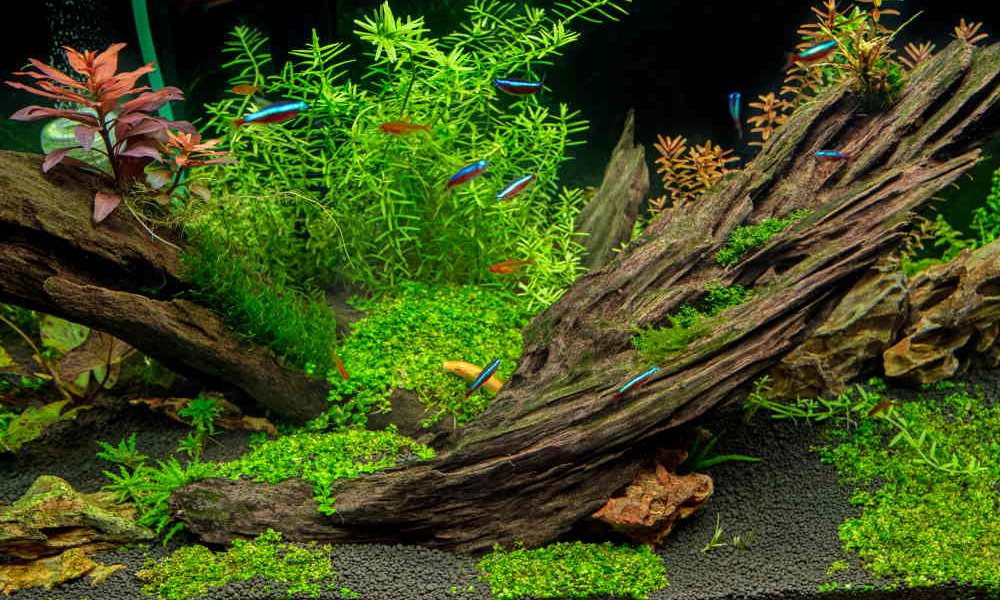
A planted tank is one of the most rewarding projects in the aquarium hobby. Live plants transform an aquarium from a simple fish enclosure into a thriving underwater garden, providing natural filtration, oxygen, and a stress-reducing environment for your fish.
Setting up a planted tank from scratch requires planning, but it does not need to be complicated. With the right substrate, lighting, and plant selection, even beginners can create a lush aquascape that looks stunning and functions well.
Planning Your Layout Before You Buy
Before purchasing anything, sketch out your vision for the tank. Consider the "rule of thirds" used in aquascaping: place focal points off-center and create visual depth with foreground, midground, and background plants. Decide on a style, such as a Dutch planted tank with dense rows of contrasting plants, a Nature Aquarium inspired by Takashi Amano, or a simple low-tech setup with hardy species. Having a plan prevents costly impulse purchases and ensures your plants and hardscape work together visually.
Choosing the Right Tank Size
Planted tanks work in almost any size, but larger tanks (20 gallons and above) are more forgiving for beginners. Bigger water volumes are more stable in terms of temperature, pH, and nutrient fluctuations. A 20-long or 29-gallon tank gives you enough surface area to plant effectively while keeping water parameters easier to manage. Nano planted tanks under 10 gallons can look spectacular, but they require more precise care and faster responses to problems.
Selecting the Right Substrate
Substrate is the foundation of a planted tank, and it matters far more here than in a fish-only setup. Plants draw nutrients through their roots, so a nutrient-rich substrate accelerates growth significantly. Purpose-built aquasoil products like Amazonia ADA, Fluval Stratum, or Seachem Flourite provide iron, potassium, and trace minerals directly to root feeders. These substrates also slightly lower pH, which suits most tropical plants. A depth of 2 to 3 inches is ideal: enough for root development without creating anaerobic dead zones. Plain gravel can work for water-column feeders, but you will need to supplement heavily with liquid fertilizers.
Lighting Requirements for Plant Growth
Light is the engine of photosynthesis, and getting it right is critical. Low-light plants like java fern, anubias, and java moss thrive under basic LED fixtures and are perfect for beginners. Medium-light plants such as Amazon swords and cryptocorynes need a quality LED rated around 30 to 50 PAR at the substrate. High-light plants like glossostigma and monte carlo require intense lighting, CO2 injection, and precise fertilization. For most beginner planted tanks, aim for a good mid-range LED with a photoperiod of 8 to 10 hours per day. Avoid leaving lights on longer to compensate for weak light, as this primarily encourages algae.
CO2 Injection: Do You Need It?
Carbon dioxide (CO2) is the single biggest factor limiting plant growth in most aquariums. Fish respiration provides some CO2, but rarely enough for fast-growing or demanding plants. A pressurized CO2 system with a regulator, diffuser, and drop checker gives you precise control and dramatically accelerates growth. However, CO2 injection is not mandatory. Many beautiful planted tanks thrive without it using slow-growing, low-demand plants. Liquid carbon supplements like Seachem Excel can provide a small boost in a low-tech setup, though they are not a true replacement for injected CO2.
Fertilization: Macros and Micros
Plants need more than just CO2 and light. Macronutrients include nitrogen (N), phosphorus (P), and potassium (K), all of which are consumed in large quantities. Micronutrients or trace elements include iron, manganese, zinc, and boron, needed in smaller amounts but still essential. In a planted tank with fish, nitrogen and phosphorus are often supplied through fish waste. Potassium and traces are almost always deficient and need to be dosed weekly with a quality liquid fertilizer like Seachem Flourish or the dry EI (Estimative Index) method. Watch for yellowing leaves, which often indicate an iron or nitrogen deficiency.
Cycling the Tank Before Adding Plants
Even planted tanks benefit from a proper nitrogen cycle before fish are added. Beneficial bacteria convert toxic ammonia (from fish waste and decomposing matter) into nitrite, then into relatively harmless nitrate. This cycle takes 2 to 6 weeks in a new tank. Plants actually help speed the cycle because they consume ammonia directly. You can add fast-growing stem plants like hornwort or water sprite at the very start to soak up nutrients while the bacteria establish. Use an ammonia test kit to monitor progress, and do not add fish until ammonia and nitrite both read zero.
Choosing the Right Plants for Beginners
Starting with forgiving, adaptable species dramatically increases your chance of success. Anubias and java fern are nearly indestructible: they grow on rocks and driftwood, tolerate low light, and do not need rich substrate. Amazon swords make excellent centerpiece plants that grow large and lush in nutrient-rich substrate. Cryptocoryne species come in many colors and sizes and are ideal for the midground. Hornwort and water wisteria are fast-growing stem plants that compete aggressively with algae for nutrients. Avoid notoriously difficult species like dwarf hairgrass carpets or red plants until you have more experience.
Aquascaping: Hardscape and Planting
Rocks and driftwood form the hardscape, the structural skeleton of your aquascape. Dragon stone and seiryu stone are popular for their dramatic angular textures. Mopani and spider wood driftwood pieces add organic curves. Place your largest hardscape piece first, then build around it. When planting, use aquascaping tweezers for precise placement of small stem plants and mosses. Attach anubias and java fern to hardscape with gel superglue or thread, because burying their rhizomes in substrate causes them to rot.
Managing Algae in the Early Weeks
Almost every new planted tank experiences an algae bloom in the first few weeks. This is normal and does not mean you have failed. New substrate releases excess nutrients, plants are still establishing, and the bacterial ecosystem is not yet balanced. The most effective response is to reduce the photoperiod to 6 to 7 hours, perform frequent small water changes, and add fast-growing floating plants like frogbit or duckweed to outcompete algae. Avoid the temptation to add algae-eating fish immediately, as water parameters may not yet be stable enough for livestock.
Water Changes and Maintenance Routine
A planted tank thrives with regular maintenance. Weekly water changes of 20 to 30 percent remove nitrate buildup and replenish trace minerals. Trim plants before they crowd each other or shade lower layers. Remove dead leaves promptly, as they decompose and fuel algae. Check CO2 levels, fertilizer schedule, and lighting duration monthly and adjust based on plant growth rates and any algae you observe. A consistent routine prevents the small problems that compound into large ones.
Adding Fish to Your Planted Tank
Once the tank is cycled and plants are established, choose fish that complement the planted aesthetic. Tetras like rummy-nose, cardinal, and ember tetras look stunning in planted tanks, their bright colors popping against green foliage. Rasboras, corydoras, and otocinclus catfish are peaceful community options that do minimal damage to plants. Avoid large cichlids or goldfish, which dig and uproot plants aggressively. Shrimp, particularly cherry shrimp and amano shrimp, are excellent additions that graze on algae and add movement to the lower levels of the tank.