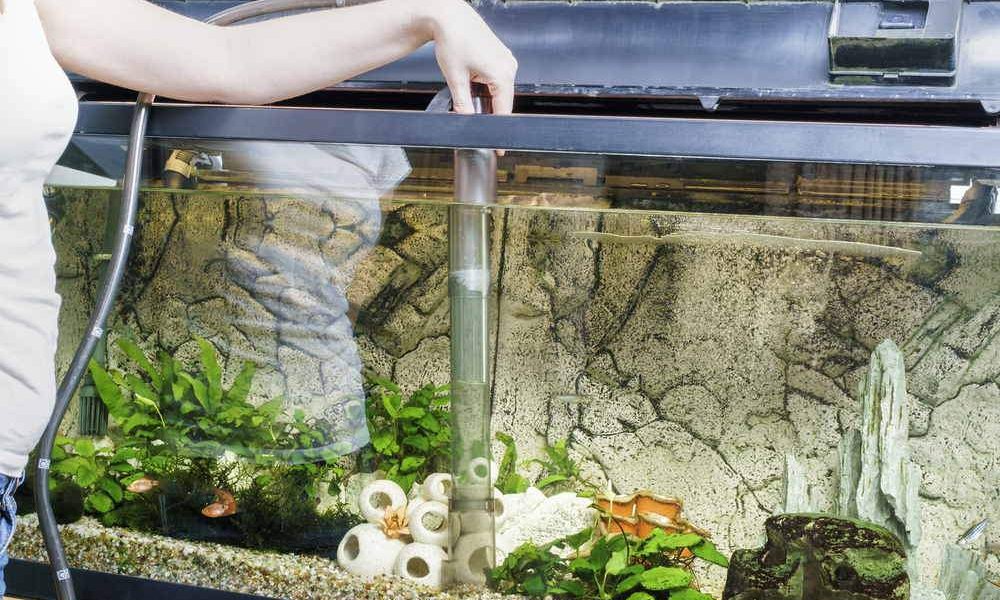
The short answer: once a week for most tanks
For a typical stocked freshwater aquarium, a 25–30% water change every week is the standard recommendation. This keeps nitrate levels manageable, replenishes trace minerals, and dilutes the invisible buildup of organic waste compounds that tests do not directly measure. Most aquarium problems, unexplained fish deaths, persistent algae, fish that look dull and listless, can be traced back to infrequent water changes.
Why water changes matter beyond nitrates
Nitrate is the most commonly cited reason for water changes, but it is not the only one. Over time, aquarium water accumulates dissolved organic compounds, pheromones, growth-inhibiting hormones, and acidic waste products that standard tests cannot detect. Old tank syndrome, where fish in a tank with acceptable test results are still visibly stressed or stunted, is caused by this invisible chemical load. Regular water changes prevent this buildup from ever reaching harmful levels.
How water change frequency depends on stocking
Tank bioload is the biggest variable. A lightly stocked 40-gallon tank with six small tetras produces far less waste than a heavily stocked 40-gallon tank with twelve fish and a pleco. More fish means more waste means more frequent changes. As a rough guideline: lightly stocked tanks can often get away with changes every 10–14 days, moderately stocked tanks need weekly changes, and heavily stocked tanks may require two changes per week or very large single changes of 40–50%.
Fish type matters too
Messy fish like goldfish, cichlids, and large plecos produce significantly more waste than small community fish. Goldfish in particular are notorious for fouling water quickly. A tank of six goldfish needs more frequent changes than a tank of twenty neon tetras. Similarly, fish that require pristine water, like discus or wild-caught cardinal tetras, may need 50% changes every two to three days to stay in peak health.
Do not change too much at once
While regular changes are essential, very large infrequent changes can shock fish by suddenly altering temperature, pH, and hardness. Changing more than 50% in a single session is rarely necessary in a healthy tank and can stress fish significantly. If nitrates have climbed very high due to neglect, do multiple smaller changes over several days rather than one massive change. The goal is gradual stabilization, not dramatic correction.
Signs you are not changing enough water
Several signs indicate that water changes are overdue or insufficient. Persistent algae growth, especially green water or brown film algae, often signals elevated nutrients. Fish that are pale, clamped fins, or hovering near the surface are showing stress. Nitrates above 40 ppm on a regular test indicate the change schedule needs adjusting. A slight yellowish tint to the water is a sign of dissolved organics building up.
The mechanics of a good water change
Use a gravel vacuum to siphon water from the substrate while you drain, removing detritus that accumulates between gravel pieces. This is just as important as the water change itself. Treat tap water with a dechlorinator like Seachem Prime before adding it. Match the temperature of new water to the tank as closely as possible. Pour slowly near the glass rather than disturbing the substrate, which stirs up bacteria and cloudiness.