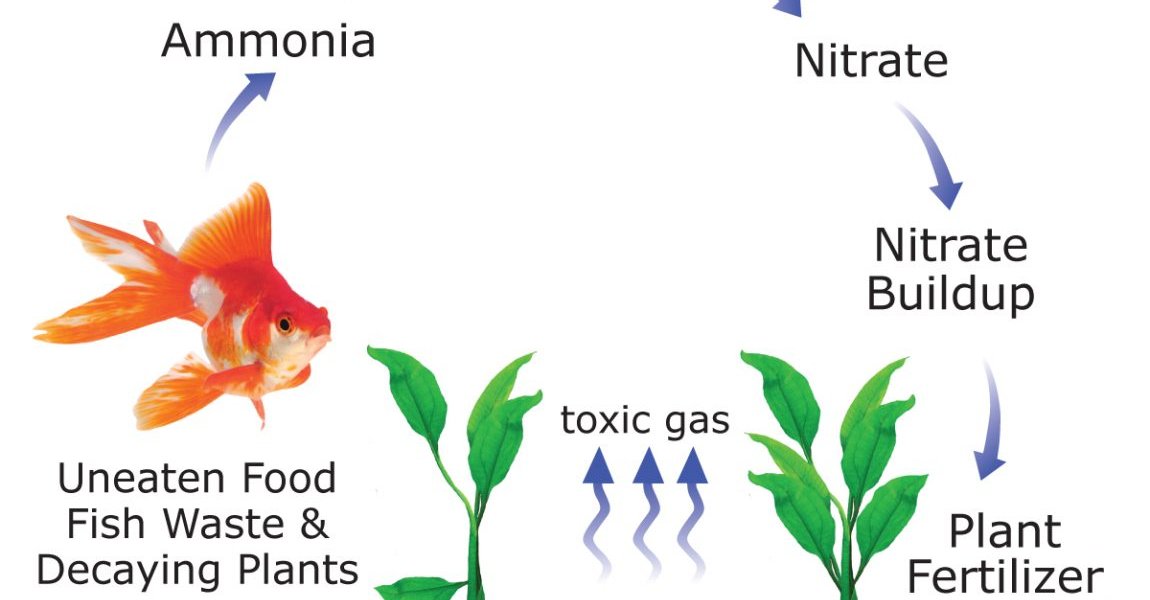
What the nitrogen cycle actually is
The nitrogen cycle is the biological process that makes an aquarium safe for fish. When fish produce waste, that waste breaks down into ammonia, which is highly toxic. Beneficial bacteria that colonize your filter media convert ammonia into nitrite (also toxic), and a second group of bacteria then converts nitrite into nitrate, which is far less harmful and removed by water changes. Without this bacterial colony, ammonia and nitrite accumulate and kill fish.
Why most beginners lose fish
New tank syndrome is the leading cause of fish death in beginner aquariums. A brand new tank has no beneficial bacteria. When you add fish immediately, ammonia spikes within days and the fish begin experiencing chemical burns to their gills, lethargy, and loss of appetite. Most beginners interpret this as the fish being sick, when the problem is actually the water. The solution is not medication. It is time.
How to cycle a tank: the fishless method
The safest way to cycle a new tank is without fish. Add an ammonia source, either pure ammonia drops (available at aquarium stores) or a small piece of raw shrimp, to start feeding the bacteria. Dose the tank to reach approximately 2–4 ppm ammonia. Within one to two weeks, you will start seeing nitrite appear as the first bacterial colony establishes. Then nitrite will drop and nitrate will rise as the second colony takes over. The cycle is complete when ammonia and nitrite both read zero within 24 hours of dosing.
Testing the water
A liquid test kit is essential. The API Master Test Kit is the standard recommendation because it is accurate, cost-effective, and tests for ammonia, nitrite, nitrate, and pH. Strip tests give inconsistent readings and are not reliable enough to make safe decisions. Test every two to three days during the cycle. Keep a log of your readings so you can track the progression clearly.
How long does it take?
A fishless cycle typically takes four to eight weeks. The range varies depending on water temperature (warmer water speeds bacterial growth), the ammonia source, and whether you added any seed bacteria. You can speed up the process significantly by adding a handful of used filter media from an established tank, which carries an existing bacterial colony. Some aquarists cycle a new tank in as little as one to two weeks using this method.
Cycling with fish (fish-in cycling)
If you already have fish in a new tank, the cycle must still happen, but you need to protect the fish while it does. Perform daily partial water changes of 25–50% to keep ammonia and nitrite below 0.25 ppm. Add a bottle of beneficial bacteria like Seachem Stability or API Quick Start daily to help establish colonies faster. Do not overfeed. Keep the tank well-aerated. It is harder and more stressful for the fish, but it can be done successfully with diligent testing and water changes.
Signs the cycle is complete
You will know the cycle is complete when you can add 2 ppm of ammonia to the tank and it drops to zero within 24 hours, with no detectable nitrite. You should also see measurable nitrate, confirming the full chain is active. At this point, do a 50% water change to reduce nitrate before adding fish, and introduce fish gradually over several weeks to avoid overwhelming the bacterial colony with a sudden spike in bioload.