Adding new fish to an established aquarium is one of the most common situations where things go wrong for hobbyists. Disease outbreaks, sudden aggression, and fish deaths that seem inexplicable often trace back to a poorly managed introduction process. The good news is that most of these problems are entirely preventable with a methodical approach.
Whether you are adding a single betta to a sorority or introducing a school of tetras to a mature community tank, the steps below apply universally. Taking a few extra days at each stage is always worth it compared to treating an ich outbreak or losing a prized fish to stress-related illness.
Research Before You Buy
The introduction process begins at the fish store, not at home. Before purchasing any fish, verify that it is compatible with your current tank inhabitants in terms of temperament, water parameters, and size. Check that the fish you are buying will not outgrow your tank or outcompete existing fish for resources. Look up its adult size, preferred temperature and pH, and diet. A fish that requires pH 5.5 will not thrive in a tank maintained at pH 7.8, no matter how careful your introduction. Doing this research beforehand prevents adding fish that are fundamentally incompatible.
Inspect Fish at the Store
Never buy a fish that looks unwell. Before purchasing, observe the fish carefully for at least a few minutes. Healthy fish swim actively, hold their fins upright, have bright eyes, and show no signs of white spots (ich), torn fins, sunken bellies, or unusual growths. Also look at the other fish in the same tank: if any tankmates look sick, the fish you want may already be infected even if it shows no visible symptoms yet. Avoid buying from tanks with dead fish on the bottom or cloudy water. Waiting a week and buying from a healthier-looking stock can save you significant trouble.
The Quarantine Tank: Your Most Important Tool
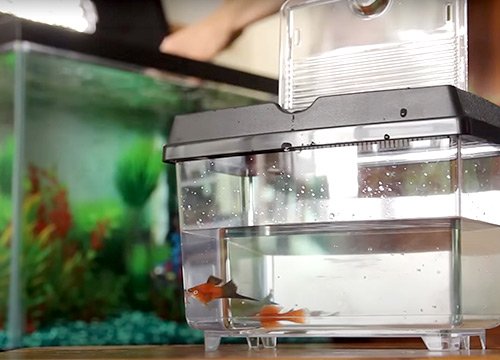
A quarantine tank (QT) is a separate, cycled tank used to observe and treat new fish before they enter your main display. It does not need to be large: a 10 or 20-gallon tank with a sponge filter, heater, and some PVC pipe for cover is sufficient for most fish. New fish should spend a minimum of 2 to 4 weeks in quarantine before being added to the main tank. This observation period allows any latent disease (particularly ich, which has a dormant stage) to manifest and be treated without risking your established fish. Quarantine is the single most important habit experienced fishkeepers have that beginners often skip.
Setting Up and Cycling Your Quarantine Tank
A quarantine tank should be biologically cycled before use, or you risk subjecting already-stressed fish to a toxic nitrogen cycle. The easiest approach is to keep a spare sponge filter running in your main tank at all times, seeded with beneficial bacteria. When you need the QT, move this filter over: the tank is instantly cycled. Alternatively, use a bottled bacteria product like Tetra SafeStart or API QuickStart and monitor ammonia carefully with daily test strips. Keep the QT water parameters matched as closely as possible to your main tank to reduce transition stress.
Acclimating New Fish to Water Parameters
Fish purchased from a store have been living in water that may differ significantly from yours in temperature, pH, and hardness. Sudden changes in any of these parameters cause osmotic stress and can trigger disease. The drip acclimation method is the most thorough approach: float the sealed bag in the QT for 15 minutes to equalize temperature, then open the bag and drip QT water into it at a rate of 2 to 4 drops per second using airline tubing with a knot or clamp. Over 30 to 60 minutes, the water in the bag gradually mixes with your tank water until the fish are fully adjusted. For particularly sensitive species like discus or wild-caught fish, extend this process to 90 minutes.
What to Watch for During Quarantine
During the quarantine period, observe your fish daily. Look for ich (small white spots like salt grains), velvet (a golden or rust-colored dust on the body), fin rot (fraying or dissolving fin edges), internal parasites (hollow belly, white stringy feces, loss of appetite), and signs of bacterial infection (open sores, red streaks, lethargy). Healthy behavior to look for includes active swimming, strong appetite starting within the first day or two, and normal coloration. If you see any disease symptoms, treat them in the quarantine tank immediately before they have any chance of spreading.
Prophylactic Treatment: To Treat or Not to Treat
Some experienced fishkeepers practice a prophylactic treatment protocol, meaning they treat all new fish with a combination of medications during quarantine regardless of whether visible disease is present. A common regimen includes a course of praziquantel (for worms and flukes), metronidazole (for internal parasites), and a broad-spectrum antibiotic. This approach is most common for wild-caught fish or fish imported directly from overseas farms, where parasite load is often high. For tank-bred fish from reputable local stores, careful observation during quarantine is usually sufficient without routine medication.
Introducing New Fish to the Main Tank
After a clean quarantine period of at least two weeks, the new fish is ready for the main display. Before adding it, rearrange the decor slightly. This disrupts established territories and forces all fish, including the existing residents, to reestablish their positions. It is a simple but surprisingly effective way to reduce aggression toward newcomers. Add the new fish after a water change, when existing fish are slightly distracted by the change in conditions. Adding multiple new fish at the same time can also dilute aggression, as the existing fish cannot focus exclusively on one individual.
Monitoring After Introduction
Watch the tank closely for the first 24 to 48 hours after introduction. Some chasing and posturing is normal as fish establish their pecking order. What you should not tolerate is relentless harassment, where one fish cannot find refuge and is being chased or nipped continuously. If this occurs, have a plan ready: a temporary mesh divider in the tank, a breeder box to protect the newcomer, or removal of the aggressor to a separate container for a day or two to reset its territorial dominance. Most introductions settle into a stable routine within a few days once hierarchies are established.
Managing Tank Capacity
Aggression at introduction time is often amplified when the tank is overcrowded. Established fish become more defensive when space and resources are limited. Use the general guideline of 1 inch of adult fish per gallon as a starting point, though heavily planted tanks can support more and tanks with large or waste-producing fish need more space per fish. Before adding new fish, honestly assess whether your current stocking level can absorb additional inhabitants without tipping into overcrowding. Overstocked tanks also strain the biological filter, which can cause ammonia spikes that stress all fish during the vulnerable post-introduction period.
Special Considerations for Different Fish Types
Some fish require more careful introductions than others. Bettas are famously aggressive and may attack new tankmates immediately. Use a tank divider to allow visual acclimation before direct contact. Cichlids are highly territorial and often require specific strategies like rearranging decor extensively, introducing multiple fish at once, or using visual barriers. Schooling fish like tetras and rasboras should always be introduced as a group, as single individuals experience extreme stress in an established school of a different species. Bottom-dwellers like corydoras are best introduced into tanks where the bottom territory is not already contested by other catfish or loaches.