Algae is one of the most persistent challenges in freshwater aquariums. It grows on glass, coats decorations, and smothers plants. While good water chemistry and lighting management are the foundation of algae control, adding the right algae-eating fish or invertebrates is one of the most effective natural solutions available.
The best algae eaters do more than just clean glass. They graze continuously, reaching corners and crevices that your algae scraper misses, and they contribute to the biological balance of the tank. Here is a rundown of the top algae eaters for freshwater aquariums, organized by type and use case.
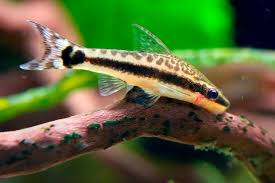
Otocinclus Catfish
Otocinclus (often called "otos") are small, peaceful algae vacuums from South America. Reaching only 1.5 to 2 inches, they are perfect for nano tanks and planted aquariums. They specialize in soft green algae and diatoms (the brown algae common in newly set up tanks), grazing continuously across glass, plant leaves, and decorations. Otos must be kept in groups of at least six, as they are social fish that become stressed when kept alone. They are sensitive to poor water quality and do not adapt well to new tanks, so add them only after the aquarium is fully cycled and established. Supplement their diet with blanched zucchini and algae wafers.
Siamese Algae Eater
The Siamese algae eater (Crossocheilus oblongus) is one of the few fish that will eat black beard algae (BBA), one of the hardest algae types to eliminate. Growing to about 6 inches, they are active, robust fish that work well in medium to large community tanks. They graze on various algae types throughout the day and are peaceful toward most tankmates. Be careful not to confuse them with the similar-looking Chinese algae eater, which becomes aggressive as it matures and may harass other fish. Look for the solid, unbroken black stripe running from nose to tail on the true SAE.
Bristlenose Pleco
The bristlenose pleco (Ancistrus sp.) is arguably the best all-around algae eater for medium-sized tanks. Unlike the common pleco, which grows to 18 inches and outgrows most home aquariums, bristlenoses stay compact at 4 to 5 inches. They are prolific grazers of green spot algae, biofilm, and green algae on glass and driftwood, and they rasp away algae from hard surfaces with their specialized mouthparts. They are peaceful, hardy, and easy to breed. Driftwood should always be available in their tank, as they graze on it and it aids their digestion. Feed supplemental algae wafers and blanched vegetables like cucumber and zucchini.
Amano Shrimp
Amano shrimp (Caridina multidentata), named after legendary aquascaper Takashi Amano who popularized their use, are among the most effective algae-eating invertebrates available. They consume a wide range of algae, including thread algae, hair algae, and green dust algae, and they work tirelessly cleaning plants, substrate, and hardscape. Growing to about 2 inches, they are large enough to avoid being eaten by most community fish. They are best kept in groups of five or more, as solitary individuals are less active. Note that they cannot breed in freshwater, so their populations do not explode in the aquarium.
Cherry Shrimp and Neocaridina Shrimp
Cherry shrimp (Neocaridina davidi) and related Neocaridina varieties are smaller than Amano shrimp but equally enthusiastic grazers. They consume biofilm, soft algae, and algae spores from every surface in the tank, making them excellent maintenance crew members for planted tanks. Their bright red (or blue, yellow, or orange in selectively bred variants) coloration adds visual interest. They breed readily in freshwater, so populations self-sustain. Keep them with peaceful fish: bettas, larger cichlids, and many tetras will eat shrimp. They are ideal for nano tanks and dedicated shrimp setups.
Mystery Snails and Nerite Snails
Nerite snails are among the most highly recommended algae eaters for any tank. They are exceptional grazers of green spot algae, one of the toughest algae types to scrape off glass, and they also consume diatoms and green film algae. They come in attractive patterns (zebra, tiger, olive) and stay small at about 1 inch. Critically, nerites cannot breed in freshwater (they need brackish water to reproduce), so they will not overpopulate your tank. Mystery snails are larger at 2 inches and graze on softer algae and debris, though they are less effective against tough spot algae. Both are peaceful and compatible with virtually all community fish.
Florida Flagfish
The Florida flagfish (Jordanella floridae) is an underrated but highly effective algae eater for planted tanks. Native to Florida, it is one of the few fish that effectively controls hair algae and black beard algae, tackling the problematic, thread-like varieties that most other species avoid. It stays small at around 2 inches and tolerates a wide range of temperatures. Males can be somewhat territorial during breeding, so keep one male with two or three females or in a larger group to dilute aggression. They do best in well-planted tanks with gentle filtration.
Mollies
Mollies are not traditionally thought of as algae eaters, but they are surprisingly effective at grazing on soft green algae and hair algae from glass and decorations. They are active, adaptable livebearers that do well in community tanks, and their algae grazing is a useful side benefit. Sailfin mollies are particularly active grazers. They are best suited to harder, slightly alkaline water, which makes them a better fit for tanks with African cichlids or livebearers than for soft, acidic Amazonian setups. They breed prolifically, so manage population if keeping males and females together.
Whiptail Catfish
Whiptail catfish (various Rineloricaria species) are slender, camouflaged catfish that graze on algae and biofilm from flat surfaces. They reach 4 to 8 inches depending on species and are completely peaceful toward tankmates. They prefer fine sand substrate, as their flat bellies rest on the bottom and can be abraded by coarse gravel. Whiptails are less aggressive grazers than bristlenose plecos but add visual interest and help keep the tank floor and lower surfaces clean. They do best in groups of two or more, as solitary individuals are shy and rarely visible.
Common Pleco: Buyer Beware
The common pleco (Pterygoplichthys pardalis) is frequently sold as an algae eater but grows to 18 to 24 inches and produces enormous amounts of waste. While juveniles graze on algae, adults shift to a more omnivorous diet and their waste output actually contributes to algae problems. They require very large tanks (125 gallons or more) as adults, and many end up abandoned or rehomed when owners realize how large they get. If you want a pleco for algae control, choose a bristlenose or rubber-lip pleco instead. Leave common plecos in the store unless you have a very large tank and are fully prepared for the long-term commitment.
Building an Algae-Control Team
The most effective approach combines multiple species with different feeding niches. A classic pairing for a planted tank is otocinclus for soft algae on leaves, nerite snails for green spot algae on glass, and amano shrimp for hair and thread algae on substrate and hardscape. None of these animals competes with the others, and together they cover almost every surface and algae type. Add a bristlenose pleco for larger tanks with driftwood and tougher algae. Remember that algae eaters are a supplement to good aquarium maintenance, not a replacement for proper lighting duration, nutrient balance, and regular water changes.