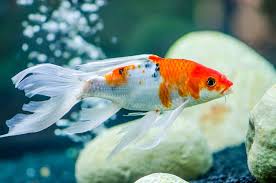
Koi are among the most rewarding fish you can keep, combining striking beauty with surprising intelligence and lifespans that can exceed 20 to 30 years with proper care. But they are also demanding: koi produce enormous amounts of waste, require well-oxygenated water, and need space that most aquariums simply cannot provide. A proper outdoor pond with good filtration is the foundation of successful koi keeping, and getting that foundation right makes every other aspect of their care easier.
Originating from domestic breeding of common carp in Japan over centuries, koi (Cyprinus rubrofuscus) were developed primarily for their color patterns and are not found in the wild in the same form as the fish you see in ponds today. This long history of selective breeding means they are relatively hardy and adaptable, but they still carry the biology and water quality needs of their carp ancestors, which are bottom-feeding, cold-tolerant, high-metabolism fish that need significant space and filtration to thrive.
Pond Size and Depth Requirements
The most important variable in koi keeping is pond volume. A single adult koi needs a minimum of 250 gallons of water, and most experienced koi keepers recommend 500 to 1,000 gallons per fish for a thriving pond. Koi grow to 18 to 24 inches under good conditions, and larger ponds allow them to develop fully while diluting the waste they produce. Cramped conditions lead to stunted growth, chronic stress, and persistent water quality problems regardless of how good your filtration is.
Depth is equally critical, particularly in regions with cold winters. A minimum depth of 3 feet is recommended for ponds in temperate climates; 4 to 5 feet is better for areas where surface temperatures drop near freezing. Deep water maintains more stable temperatures year-round, provides koi a refuge from summer heat and winter cold, and reduces predation by herons and raccoons that wade into shallow ponds. Ponds shallower than 2 feet are largely unsuitable for keeping koi through all four seasons.
Filtration: The Core of Koi Pond Health
Koi are exceptionally messy fish. Each fish produces several times the waste of a comparably sized ornamental fish, and that waste breaks down into ammonia that can kill koi within hours at sufficient concentrations. A robust filtration system is not optional; it is the single most important piece of equipment in a koi pond. A proper system combines mechanical filtration (removing solid particles) with biological filtration (converting ammonia to less harmful nitrate via beneficial bacteria).
The most effective koi pond filtration typically involves a bottom drain that pulls settled waste toward the filter, a settlement chamber or vortex to separate solids, and biological media chambers filled with porous ceramic or plastic media that harbor nitrifying bacteria. The filter should be rated for significantly more water than your pond holds; a filter rated for a 5,000-gallon pond placed on a 3,000-gallon pond provides the safety margin koi require. Underpowered filtration is the leading cause of koi death.
Aeration and Water Circulation
Koi require high dissolved oxygen levels, ideally above 7 mg/L and never below 5 mg/L. Hot summer water holds less oxygen than cold water, making aeration most critical during warm months. Air stones, waterfalls, fountains, and venturi fittings on return lines all add oxygen to the water. A waterfall or fountain that circulates the full pond volume at least once per hour provides both aeration and the gentle surface agitation that promotes gas exchange.
During heat waves, koi can develop oxygen stress even with normal aeration. Symptoms include fish gasping at the surface near the waterfall or return line, which is the most oxygenated part of the pond. Adding an emergency air pump during hot weather, increasing fountain or waterfall flow, and partially shading the pond during peak afternoon heat are effective interventions. Never rely solely on water movement for aeration in hot climates.
Water Quality Parameters for Koi
Koi are forgiving of a wide range of water parameters but have specific requirements for optimal health. The ideal temperature range is 65 to 75 degrees Fahrenheit (18 to 24 Celsius), though they tolerate temperatures from near-freezing to about 85 degrees Fahrenheit. pH should be between 7.0 and 8.5; the nitrogen cycle functions best and koi are most comfortable within this range. Ammonia and nitrite should always read zero; any detectable level indicates filtration problems that need immediate attention.
Nitrate, the end product of the nitrogen cycle, should be kept below 40 ppm through regular partial water changes. Hard water (150 to 300 ppm GH) is beneficial for koi because it provides the calcium and magnesium their scales and immune systems need. Very soft water can cause pH instability and make koi more susceptible to certain diseases. A basic pond water test kit measuring ammonia, nitrite, nitrate, and pH should be used weekly, especially in new ponds or during seasonal transitions.
Feeding Koi: What, How Much, and When
Koi are omnivores with hearty appetites, and feeding is one of the most enjoyable aspects of koi keeping because they quickly learn to associate their keeper with food and will swim to the surface eagerly. A high-quality koi pellet should form the base of the diet, providing balanced protein, carbohydrates, vitamins, and color-enhancing carotenoids. Wheat germ-based foods are particularly easy to digest and are the right choice during cooler months when koi metabolism slows.
Feed only as much as koi can consume in five minutes, two to three times daily during the warm season. Overfeeding is a serious problem: uneaten food decomposes rapidly, consuming oxygen and producing ammonia. During autumn when water temperature drops below 55 degrees Fahrenheit, switch exclusively to wheat germ food which digests more easily in cold conditions. Below 50 degrees Fahrenheit, stop feeding entirely. Koi metabolism drops dramatically in cold water and food left undigested in their gut during winter can rot internally and kill them.
Seasonal Pond Management
Koi care changes significantly with the seasons. Spring is the most critical transition: as water warms from winter dormancy, koi immune systems are temporarily suppressed and they are most vulnerable to bacterial and parasitic infections. Inspect fish carefully as they become active, check for wounds, fin damage, and behavioral abnormalities. Resume feeding gradually using wheat germ food at first. Spring is also the time to clean accumulated sludge from the pond bottom.
Summer requires attention to oxygen levels and potential overheating. Autumn is the time to reduce feeding gradually as temperatures fall, remove dying plant matter before it decomposes in the pond over winter, and prepare the filtration system for reduced efficiency in cold water. Winter management depends on your climate: in mild areas koi remain partially active and can be fed wheat germ food occasionally; in cold climates they enter torpor and the pond may develop an ice surface. An ice-free hole using a pond heater or de-icer allows toxic gases to escape without shocking the fish with temperature changes.
Common Koi Health Problems
Koi herpesvirus (KHV) is the most serious disease facing koi keepers worldwide, causing mass die-offs and leaving no effective treatment. Symptoms include gill necrosis, lethargy, and rapid death at water temperatures between 59 and 77 degrees Fahrenheit. KHV enters ponds through infected fish, shared equipment, or contaminated water. Quarantining all new koi for a minimum of four weeks in a separate tank before introducing them to your main pond is the only effective prevention.
Parasitic infections are extremely common, particularly white spot (ich), anchor worm, and fish lice. These often appear after temperature swings or stress events. Ich presents as white salt-like grains on the body and fins; anchor worm appears as visible worm-like protrusions from the body; fish lice look like flat, round parasites visible to the naked eye. Salt treatments, commercial antiparasitic medications, and in the case of anchor worm, manual removal followed by wound treatment, are the standard approaches. Addressing water quality issues that allowed parasites to gain hold is always part of treatment.
Pond Plants and Their Role
Aquatic plants are both decorative and functional in a koi pond. Marginal plants like water iris, pickerelweed, and cattails grow at the pond edges and help stabilize banks. Floating plants like water hyacinth and water lettuce absorb excess nutrients from the water, reducing algae growth. Submerged oxygenating plants like hornwort add dissolved oxygen and provide spawning sites. However, koi are notorious plant destroyers: they will uproot, nibble, and eventually eliminate most submerged vegetation in the pond.
The most practical approach is to grow marginal plants in containers with large rocks on top to prevent koi from uprooting them, and to use floating plants that koi nibble but cannot fully destroy. A separate plant filter chamber upstream of the main pond, planted with water hyacinth or similar nutrient-absorbing species, provides the water quality benefits of plants without exposing them to koi destruction. This setup dramatically reduces green water algae by outcompeting it for nutrients.
Koi Varieties and Color Patterns
Koi are bred in dozens of recognized varieties, each with specific color patterns, scale types, and genetic traits. The most iconic variety is Kohaku, white-bodied fish with red (hi) markings, considered the foundational koi variety and the benchmark against which others are measured in competitive shows. Other popular varieties include Sanke (white with red and black), Showa (black with red and white), Ogon (single metallic color), and Butterfly koi, which have unusually long, flowing fins and are not recognized by traditional Japanese show standards.
Color in koi is affected by genetics, diet, and water quality. Carotenoid-rich foods including spirulina, krill, and color-enhancing pellets help maintain and intensify red and orange pigmentation. Poor water quality causes color fading in most varieties. The color patterns of koi change throughout their lives, particularly in young fish, and fully mature coloration typically does not stabilize until age three to five years.
Quarantine Protocols for New Koi
Introducing new koi directly into an established pond is one of the most common and costly mistakes in koi keeping. New fish may carry viruses, bacteria, or parasites that show no visible symptoms but can devastate an established collection within days. A dedicated quarantine tank or small pond, ideally holding 300 to 500 gallons with its own filtration and aeration, allows you to observe new fish closely for at least four weeks before introducing them to your main pond.
During quarantine, watch for signs of disease, test water parameters daily, and consider a prophylactic salt treatment at 0.3 percent to reduce parasitic risk. Only after four weeks of clean health observations should you consider introduction, and even then, acclimate new fish slowly to the main pond water temperature before release. This protocol protects fish you may have kept for years and represents the single most important disease prevention practice in koi keeping.