Understanding what tropical fish eat in the wild is essential for replicating their nutritional needs in captivity. A fish that evolved eating live insects, algae, or small crustaceans in a river ecosystem has a digestive system, jaw structure, and metabolism built around those specific foods. Feeding it a generic flake food every day may keep it alive, but it often falls short of keeping it truly healthy, vibrant, and reproducing.
The diversity of wild diets across tropical fish species is remarkable. A neon tetra picks at microorganisms and insect larvae in slow-moving Amazonian waters. A discus grazes on detritus and small invertebrates from leaf litter. A betta hunts mosquito larvae and small insects at the water surface. Each of these fish requires a different approach to captive feeding if you want to mirror their natural diet closely.
How Wild Diet Shapes Fish Biology
Every aspect of a tropical fish's anatomy reflects what it evolved to eat. Mouth position is a direct indicator: upturned mouths belong to surface feeders targeting insects and larvae; downturned mouths belong to bottom feeders scraping algae and detritus; terminal mouths centered on the snout belong to mid-water predators. Gut length also varies dramatically, with herbivorous fish having intestines several times longer than their body to process plant matter, while carnivores have short, muscular digestive tracts suited to protein.
Jaw teeth provide another clue. Fish with fine, comb-like teeth are adapted for scraping algae or filtering plankton. Fish with pointed, recurved teeth are built for grabbing and holding slippery prey. Molariform teeth in species like the pacu allow them to crack hard nuts and seeds that fall into Amazonian waterways. Identifying these adaptations helps you understand what your fish actually needs versus what it will reluctantly accept.
Carnivorous Tropical Fish: What They Actually Hunt
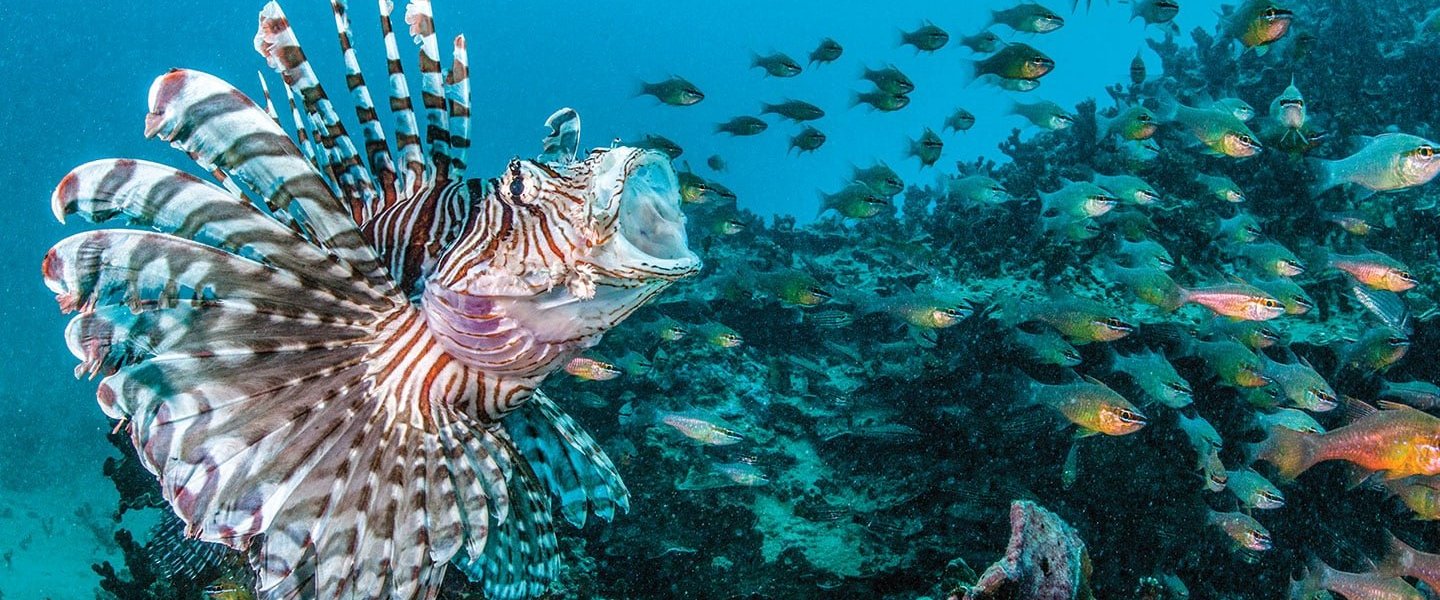
Carnivorous tropical fish make up a significant portion of the popular aquarium trade. In the wild, species like bettas, cichlids, and arowanas feed on live prey including insects, worms, small fish, amphibian larvae, and crustaceans. The betta, for example, is an ambush predator in shallow Thai and Cambodian rice paddies that primarily targets mosquito larvae, water fleas (daphnia), and small insects that land on the water surface. Its upturned mouth and excellent surface vision reflect this hunting strategy.
Large cichlids like oscars and jaguar cichlids are opportunistic predators that eat smaller fish, crayfish, frogs, and large aquatic insects in South American and Central American rivers. Their dietary protein content in the wild is extremely high, and feeding them purely on pellets often leads to nutritional deficiencies. Supplementing with live or frozen foods like earthworms, feeder insects, or frozen krill provides the amino acid profiles these fish need.
Herbivorous Species and Their Plant-Based Diets
Many popular tropical fish are primarily herbivorous in the wild, a fact that surprises many fishkeepers who feed everything the same flake food. Bristlenose plecos, silver dollars, and most African cichlids from Lake Malawi and Lake Tanganyika consume mostly algae, plant matter, and aufwuchs (the mix of algae, microorganisms, and organic matter that coats rocks). These fish have evolved to process large volumes of low-protein, high-fiber food.
For Lake Malawi cichlids especially, a high-protein diet in captivity is a well-documented cause of bloat, a fatal digestive condition caused by bacterial overgrowth. In the wild, mbuna cichlids spend most of their day grazing on algae scraped from rocks, getting very little animal protein. Replicating this with spirulina-based foods, blanched vegetables, and algae wafers is far closer to their natural nutritional intake than standard tropical flake food.
Omnivores: The Opportunistic Majority
Most of the tropical fish commonly kept in home aquariums are actually omnivores: species that eat both plant and animal matter depending on what is available. In the wild, fish like tetras, rasboras, and guppies eat a rotating menu that changes with seasons, water levels, and food availability. During rainy season floods in the Amazon, vast quantities of insects, seeds, and fruit fall into the expanded waterways, and fish gorge on high-calorie foods. During dry season, the same fish may survive on algae and whatever small invertebrates remain in shrinking pools.
This seasonal variation is why variety is so important in captive diets. A tetra fed only dry flake food every day is getting a nutritionally monotonous diet compared to its wild counterpart, which encounters dozens of different food types throughout the year. Rotating between high-quality flakes, frozen daphnia, live brine shrimp, and blanched vegetables is a much closer approximation of natural intake.
Detritivores and Substrate Feeders
Several popular aquarium species are detritivores, meaning they evolved to eat the organic debris that settles on river and lake bottoms. Corydoras catfish are a classic example: in the wild, they sift through soft sandy or muddy substrates, consuming decaying plant matter, worm fragments, insect larvae, and microbial biofilm. Their sensitive barbels detect food buried in substrate, and their flattened undersides allow them to graze efficiently across the bottom.
Feeding detritivores correctly means providing sinking foods that reach the substrate rather than relying on them to eat leftover flakes that drift down hours after feeding. Sinking pellets, frozen bloodworms, and blanched vegetables placed on the substrate floor ensure these bottom dwellers get adequate nutrition. Corydoras and similar species are often underfed in community tanks because their keepers assume the leftovers from other fish will sustain them.
Insectivores and the Importance of Live and Frozen Foods
Fish that are primarily insectivorous in the wild, such as bettas, hatchetfish, and archer fish, thrive with regular access to live or frozen invertebrate foods. In their natural habitats, aquatic insect larvae make up the bulk of the diet: mosquito larvae, chironomid larvae (bloodworms), mayfly nymphs, and small terrestrial insects that fall onto the water surface. These foods are rich in specific fatty acids and proteins that dried foods can only partially replicate.
Frozen bloodworms and daphnia are the most accessible way to approximate this diet in captivity. Live brine shrimp, while nutritionally inferior to bloodworms, provide the important behavioral stimulus of hunting live prey, which supports mental engagement and reduces stress in active predatory species. A diet combining quality pellets with twice-weekly feedings of frozen or live invertebrate food keeps insectivorous fish in peak health and color.
Plankton Feeders and Micro-Prey
Small schooling fish like neon tetras, ember tetras, and harlequin rasboras are micro-predators in the wild, feeding on zooplankton, microcrustaceans, and tiny aquatic invertebrates that are largely invisible to the naked eye. Their small mouths are sized for this micro-prey, and even "small" commercial flake food particles are often too large for the smallest species to eat efficiently. Watching small tetras seemingly ignore food that sinks past them often means the food particles are simply too large to ingest.
Micro pellets, finely crushed flakes, and foods like cyclops and micro worms are more appropriate for these species. Infusoria, a culture of microscopic organisms, is the closest captive approximation of the natural plankton these fish feed on in the wild. For nano fish and fry, infusoria and vinegar eels provide the micro-prey particle size these animals evolved to consume.
Seed and Fruit Eaters in Tropical Rivers
One of the least-discussed categories of wild tropical fish diet is frugivory: eating seeds, fruits, and nuts. During the Amazon flood season, fish like pacus, silver dollars, and some characins feed heavily on fruits and seeds that fall from flooded forest trees. The pacu has evolved molariform (molar-like) teeth specifically to crush hard palm nuts and tropical seeds, and it plays an important ecological role as a seed disperser in Amazonian ecosystems.
In captivity, pacus and silver dollars benefit from being offered fresh fruits and vegetables as part of their diet. Grapes, melon, leafy greens, and banana are all appropriate supplemental foods. This dietary variety is rarely discussed in beginner fishkeeping guides, but it reflects a genuine nutritional need in these species rather than just a treat.
How Water Environment Shapes Food Availability
The chemistry and characteristics of a fish's native water have a direct impact on what food is available to it. Blackwater Amazonian rivers are low in nutrients and produce fewer algae and aquatic plants, so fish in these environments tend to be protein-focused predators relying on invertebrates and small fish. Hard, alkaline Rift Valley lakes in Africa produce abundant algal growth on rocky surfaces, supporting large populations of herbivorous cichlids.
Fast-flowing mountain streams produce cold, oxygen-rich water with different invertebrate communities than slow tropical rivers. Fish from these environments, like some danios and hillstream loaches, are adapted to eating the biofilm and invertebrates available in fast current. Replicating appropriate flow rates in the aquarium affects not just comfort but also feeding behavior and the types of food a fish will recognize and consume.
Translating Wild Diet to Captive Feeding
The goal of captive feeding is not to exactly replicate every food item a wild fish would encounter, which is impossible, but to meet the same macronutritional and micronutritional profile using available foods. A carnivorous cichlid that hunts small fish in the wild can be well-nourished on a diet of high-protein pellets supplemented with frozen krill, earthworms, and occasional feeder insects. The exact prey species is less important than matching protein content, fat profile, and dietary variety.
The most common mistake is feeding all fish the same generic tropical flake food regardless of their wild diet. A mbuna cichlid and a betta have almost opposite nutritional requirements, and feeding them identically will cause health problems in at least one of them over time. Researching the natural diet of each species you keep and selecting foods accordingly is one of the most impactful things you can do for your fishes long-term health and longevity.