The honest answer: it is harder, but manageable
Saltwater aquariums have a reputation for being difficult, expensive, and unforgiving. Some of that reputation is earned. The water chemistry is more complex, the equipment costs more, and the livestock is generally more sensitive. But thousands of beginners set up successful saltwater tanks every year, and the hobby has become significantly more accessible over the past decade. Whether saltwater is right for you depends on your budget, your patience, and your willingness to learn before you buy.
What makes saltwater harder
The core difference is water chemistry complexity. A freshwater tank requires you to monitor ammonia, nitrite, nitrate, and pH. A saltwater tank adds salinity (specific gravity), alkalinity, calcium, magnesium, and in a reef tank with corals, also phosphate, potassium, iodine, and trace elements. Equipment costs are higher: a quality protein skimmer, a reliable hydrometer or refractometer, a powerhead for water movement, and high-output lighting for corals add up. Salt mix, RO/DI water, and live rock all add to ongoing costs.
Fish-only vs. reef: two very different setups
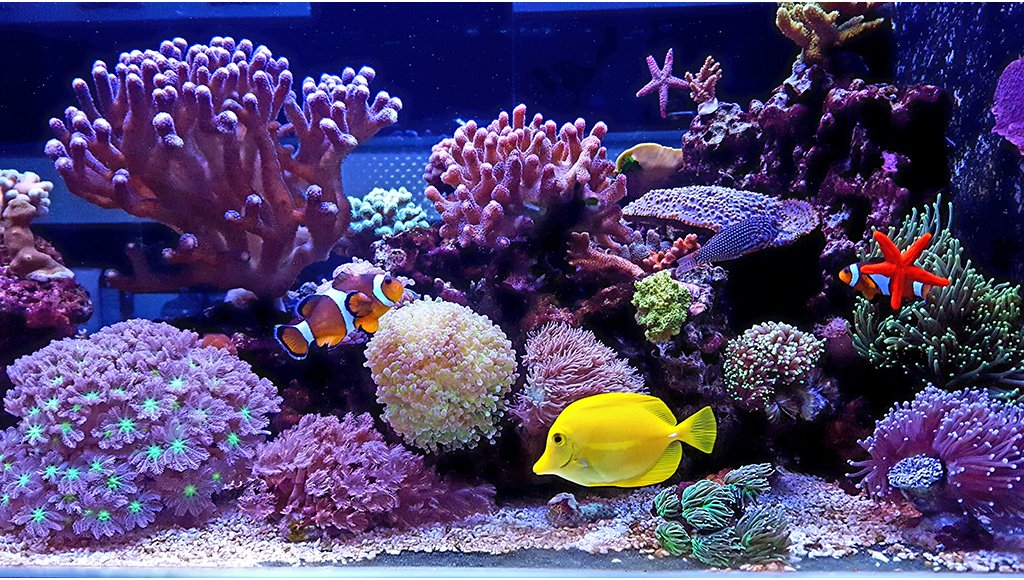
A fish-only saltwater tank (or FOWLR, fish-only with live rock) is considerably simpler than a reef tank. You need stable salinity, good filtration, adequate flow, and regular water changes. Many beginner saltwater aquarists start here. A reef tank adds corals and other invertebrates, which require intense lighting, stable calcium and alkalinity levels, and precise water quality. Reef tanks are significantly more demanding and expensive, and are not a good starting point.
Good starter saltwater fish
The right species make a beginner tank dramatically more manageable. Ocellaris clownfish (the Nemo fish) are hardy, widely available, and tolerate beginner mistakes. Firefish gobies are small, peaceful, and undemanding. Yellowtail damsels are hardy but aggressive. Royal grammas are colorful and relatively forgiving. Pajama cardinalfish are peaceful and nocturnal. Avoid tang species, large angels, and lionfish until you have experience.
The equipment you actually need to start
A basic beginner saltwater setup requires: a tank of at least 30 gallons (larger tanks are more stable), a canister filter or sump, a protein skimmer, a powerhead for flow, a heater, a hydrometer or refractometer, a full saltwater test kit, RO/DI water or store-bought RODI, quality salt mix, and live rock. Lighting for a fish-only tank can be basic. Budget at least 00–00 for a complete beginner setup, not counting livestock.
Where beginners go wrong
The most common beginner mistakes in saltwater are: adding livestock before the tank is fully cycled, buying sensitive or incompatible fish without researching them first, neglecting salinity stability, skimping on filtration, and trying to add corals before mastering the basics of a fish-only setup. Patience is the most important quality for a new saltwater aquarist. Do not rush any stage.