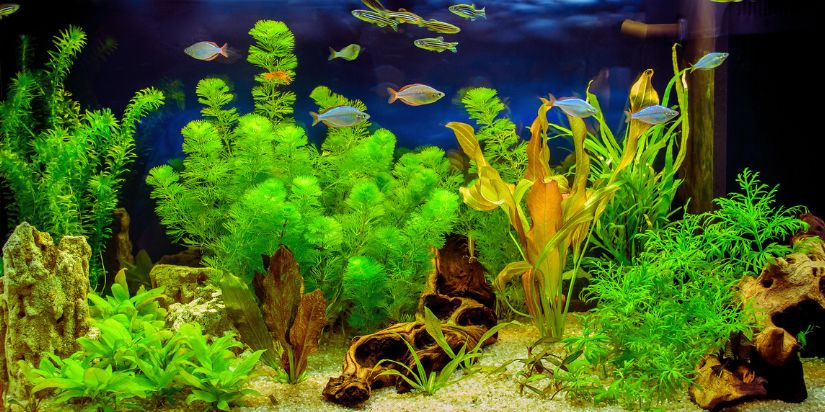
Setting up your first aquarium is one of the most rewarding hobbies you can take on, but it comes with a steep learning curve. Many beginners make the same predictable mistakes, often without realizing it until fish start dying or the tank turns green and murky. Understanding what those mistakes are gives you a real advantage from the start.
Most problems in beginner tanks are not caused by bad luck or defective equipment. They come from skipping steps, misunderstanding water chemistry, or simply not knowing what fish actually need. The good news is every mistake on this list is preventable with a little preparation.
Mistake 1: Skipping the Nitrogen Cycle
The single most common reason new fish die is an uncycled tank. Before fish can safely live in an aquarium, the tank needs to establish colonies of beneficial bacteria that convert toxic ammonia into nitrite and then into the less harmful nitrate. This biological cycle takes three to six weeks and must happen before you add any fish.
Many beginners buy a tank and fish on the same day, not realizing this step exists. Signs of an uncycled or under-cycled tank include fish gasping at the surface, red or inflamed gills, lethargy, and unexplained deaths. Test your water with an ammonia and nitrite test kit. Both should read zero before fish are added to the tank.
Mistake 2: Overstocking the Tank
A common rule of thumb is one inch of fish per gallon of water, but this oversimplifies things significantly. A 20-gallon tank is not suitable for twenty 1-inch neon tetras and a 6-inch pleco. Bioload matters more than physical space. Large fish produce far more waste than small ones, and overstocking leads to rapid ammonia spikes and chronic poor water quality.
Research the adult size of every fish before buying them. That cute 2-inch common pleco will grow to 18 inches. That Oscar you love will quickly outgrow a 30-gallon tank. Understocking is always safer than overstocking, and a less crowded tank is easier to maintain and far healthier for the fish in it.
Mistake 3: Buying Incompatible Fish
Not every fish that lives in freshwater belongs in the same tank together. Incompatible fish can differ in temperature requirements, water hardness preferences, aggression levels, and diet. Putting a goldfish in a tropical community tank, for example, means the temperature requirements of one will always be wrong for the other.
Aggression is another common issue. Tiger barbs will fin-nip slow-moving fish like bettas and angelfish. Cichlids often bully or kill smaller tank mates. Predatory species like oscars will eat anything small enough to fit in their mouths. Always research the compatibility of every species before purchasing, not after the first conflict occurs.
Mistake 4: Overfeeding
Fish do not need to be fed multiple times a day, and most can go several days without food without harm. Overfeeding is one of the fastest ways to crash water quality. Uneaten food decomposes within hours, fueling ammonia spikes and promoting the growth of harmful bacteria and algae. Feed only what fish can consume in two to three minutes once or twice daily.
Fish often appear hungry because they are always searching for food, not because they are starving. Overfeeding also leads to bloating, constipation, and fatty liver disease in fish. If you see food sinking to the bottom and sitting there uneaten, you are giving too much. Remove excess food with a net or siphon immediately.
Mistake 5: Neglecting Water Changes
Many beginners assume a filter handles everything and water changes are optional. Filters process ammonia and remove solid waste, but they do not remove nitrates, dissolved organic compounds, or the buildup of phosphates and other chemicals that accumulate over time. These substances stress fish and degrade water quality gradually without obvious warning signs.
A weekly water change of 20 to 30 percent is the cornerstone of tank maintenance. Use a gravel vacuum to remove waste from the substrate at the same time. Even if your water looks clear and your fish appear healthy, regular water changes are non-negotiable for long-term success.
Mistake 6: Using Tap Water Without Treating It
Tap water contains chlorine and often chloramine, both of which are toxic to fish and destroy the beneficial bacteria in your filter. Never add untreated tap water directly to a tank. Use a dechlorinator like Seachem Prime or API Stress Coat every time you do a water change or top off evaporated water.
Chloramine is particularly problematic because, unlike chlorine, it does not dissipate by simply letting water sit overnight. Make sure your dechlorinator specifically states it neutralizes chloramine as well as chlorine. This is a $5 bottle that protects your entire tank ecosystem every time you change water.
Mistake 7: Ignoring Water Parameters
Beginners often skip buying a test kit because the water looks fine. But clear water does not mean safe water. Ammonia, nitrite, and nitrate are colorless and odorless, and they can reach lethal levels in a tank that looks perfectly normal. A basic water test kit is one of the most important tools you can own as a fishkeeper.
Test your water at least once a week during the first few months of a new tank, and any time fish show signs of illness or stress. The ideal parameters for most community freshwater tanks are: ammonia 0 ppm, nitrite 0 ppm, nitrate below 20 ppm, and pH between 6.8 and 7.6. Knowing your numbers lets you act before problems become emergencies.
Mistake 8: Choosing the Wrong Tank Size
Bigger tanks are actually easier to maintain than small ones. A 5-gallon tank may seem simpler for a beginner, but small water volumes mean that waste, temperature, and pH changes happen rapidly with little margin for error. A 20-gallon tank as a starting point gives you far more stability and a larger selection of compatible fish species.
Nano tanks under 5 gallons are often marketed to beginners but are better suited to experienced hobbyists who understand water chemistry well. If budget or space is a concern, a 10-gallon tank is the absolute minimum for a community setup. Anything smaller should be reserved for a single betta or kept as a shrimp-only tank.
Bonus: Not Researching Before Buying
Impulse buying is one of the costliest habits in fishkeeping. A fish that looks beautiful at the store may require a 200-gallon tank, specific water hardness, or live with only its own species. Research every fish before purchasing it, including its adult size, water parameter requirements, diet, temperament, and compatibility with your current stock.
Reputable fish stores have staff who can advise you, but not all stores have knowledgeable employees and not all advice given is accurate. Cross-reference what you hear with reliable online sources like Seriously Fish or the Planet Catfish database. Ten minutes of research before a purchase can save you weeks of trouble afterward.