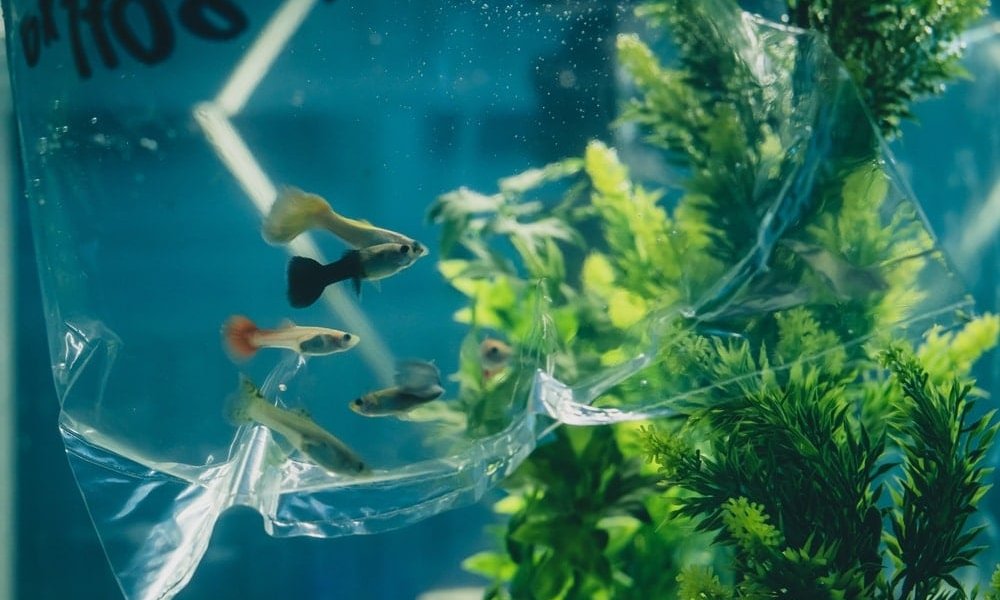
Bringing home new fish is exciting, but dropping them directly into your tank can be fatal. The water in the bag they came in differs from your tank in temperature, pH, and dissolved minerals. Acclimation is the process of slowly bridging that gap so your fish can adjust without going into shock.
Even hardy species like goldfish or danios can suffer stress-related illness if introduced too quickly. Taking an extra 30 to 60 minutes for proper acclimation dramatically improves survival rates and reduces the chance of disease outbreaks in your established tank.
Why Acclimation Matters
Fish are sensitive to sudden changes in water chemistry. A shift of just one pH unit or a 5-degree temperature swing can cause osmotic stress, where cells struggle to regulate fluids properly. This leads to lethargy, loss of color, clamped fins, and in severe cases, death within hours. Osmotic shock is one of the leading causes of new fish dying in the first 24 hours.
Beyond pH and temperature, your local tap water may have different hardness, alkalinity, and even dissolved oxygen levels compared to the store's water. The longer the fish was in transit, the more ammonia builds up in the bag, making careful acclimation even more critical.
Gathering What You Need
Before opening the bag, have your supplies ready. You will need a clean bucket, an airline tube or small siphon hose, an optional drip acclimation kit, a net, and a thermometer. Keep the lights in your tank dimmed during acclimation to reduce stress on both new arrivals and existing fish. Never use the bag water to add fish to the tank as it may carry pathogens from the fish store.
The Float Method
The float method is the simplest approach and works well for most freshwater fish. Start by floating the sealed bag on the tank surface for 15 to 20 minutes. This equalizes the temperature inside the bag with the tank water without exposing the fish to your tank's chemistry yet. After floating, open the bag and roll the top edge down to create an air pocket that keeps it buoyant.
Add a small cup of your tank water to the bag every five minutes for the next 30 minutes. This gradually dilutes the store water and introduces the fish to your tank's parameters. When the bag is full, use a net to transfer the fish to the tank. Discard the bag water entirely rather than pouring it in with the fish.
The Drip Method
The drip method is slower and more precise, making it ideal for sensitive species like discus, saltwater fish, or invertebrates such as shrimp and corals. Place the fish in a small clean bucket with the water from the bag. Using an airline tube tied into a loose knot to control flow rate, siphon water from your tank into the bucket at a rate of about two to four drops per second.
Allow the process to continue until the bucket volume has doubled or tripled, which usually takes 45 minutes to over an hour. Then carefully net the fish and place them in the tank. Because the drip method adds significant tank water, it is more effective at matching both pH and hardness than the float method alone.
Acclimating Saltwater Fish and Invertebrates
Marine fish and invertebrates are far more sensitive to salinity and pH changes than their freshwater counterparts. Always use the drip method for saltwater species. Invertebrates like cleaner shrimp and corals are especially vulnerable and should be drip-acclimated for at least 90 minutes. Test the salinity of the bag water with a refractometer if you suspect it differs significantly from your display tank.
Keep the lights off in the main tank for a few hours after introducing marine fish. Aggression from established tank mates is a major cause of mortality in new additions, and dim lighting helps reduce territorial behavior during the critical settling-in period.
Temperature Matching
Temperature shock is the most immediate danger during acclimation. Always float or hold the bag in the tank water until the temperatures match within one degree. Use a thermometer to check rather than guessing. Even if the bag feels warm, the difference between 74°F and 78°F is enough to cause physical stress to delicate species like bettas or discus.
In winter, if the fish has been transported in a cold car, the bag temperature may be significantly lower than your tank. In this case, allow extra floating time before beginning to add tank water. Do not try to speed this step up.
Reducing Stress During Transfer
Once the fish is ready to be transferred, work quickly but gently. Dim the tank lights, use a fine-mesh net to scoop the fish, and lower it directly into the water rather than dropping it in from above. Avoid chasing the fish around the bucket with the net, as prolonged netting causes additional stress. Minimize air exposure to just a few seconds at most.
If moving large or particularly delicate fish, consider using a small container to scoop fish along with a bit of water rather than a net. This method is gentler on fins and scales and reduces the risk of injury during transfer.
Quarantine Before Adding to the Main Tank
Ideally, all new fish should spend two to four weeks in a quarantine tank before joining your main display. This allows you to observe them for signs of disease like ich, velvet, or bacterial infections, and treat them if necessary without contaminating your established tank. A simple 10-gallon spare tank with a sponge filter and a heater is all you need.
Even if the fish look healthy at the store, many parasites and bacterial infections have an incubation period. Introducing an infected fish to an established tank can wipe out all your other fish within days. The quarantine step takes patience, but it is one of the most valuable habits a fishkeeper can develop.
Watching for Signs of Stress After Acclimation
After introducing your fish, monitor them closely for the first 24 to 48 hours. Normal signs include hiding, reduced appetite, and pale coloration as the fish settles in. Concerning signs include rapid gill movement, erratic swimming, flashing against surfaces, or lying at the bottom. Rapid breathing often signals a pH or oxygen problem and should be investigated immediately.
Avoid feeding new fish for the first 12 to 24 hours. Their digestive system is under stress and uneaten food will foul the water. Once the fish is swimming normally and showing interest in its environment, you can offer a small amount of food to test its appetite.
Special Cases: Betta Fish
Betta fish are often sold in very small containers with minimal water. Their bag water is typically much colder and more ammonia-laden than average. Float the cup or bag for 20 minutes, then begin the gradual addition of tank water using the float method. Do not rush with bettas, as they are prone to temperature shock and fin damage from stress.
When introducing a betta to a community tank, rearrange decorations slightly before adding the fish to disrupt existing territories. Add the betta last if possible so it does not get targeted by fish that have already established their hierarchy in the tank.
Common Acclimation Mistakes
One of the most common errors is skipping acclimation entirely when the fish looks healthy and active in the bag. Another is adding the bag water to the tank along with the fish, risking introduction of store-water pathogens. Rushing the process, especially the temperature-matching step, is also a frequent mistake that costs hobbyists healthy fish.
Avoid acclimating fish near an open window in cold weather or in a drafty room where the bag can cool quickly. Never leave fish floating in a sealed bag for more than 20 minutes after you start adding water, as oxygen levels drop rapidly in confined water.