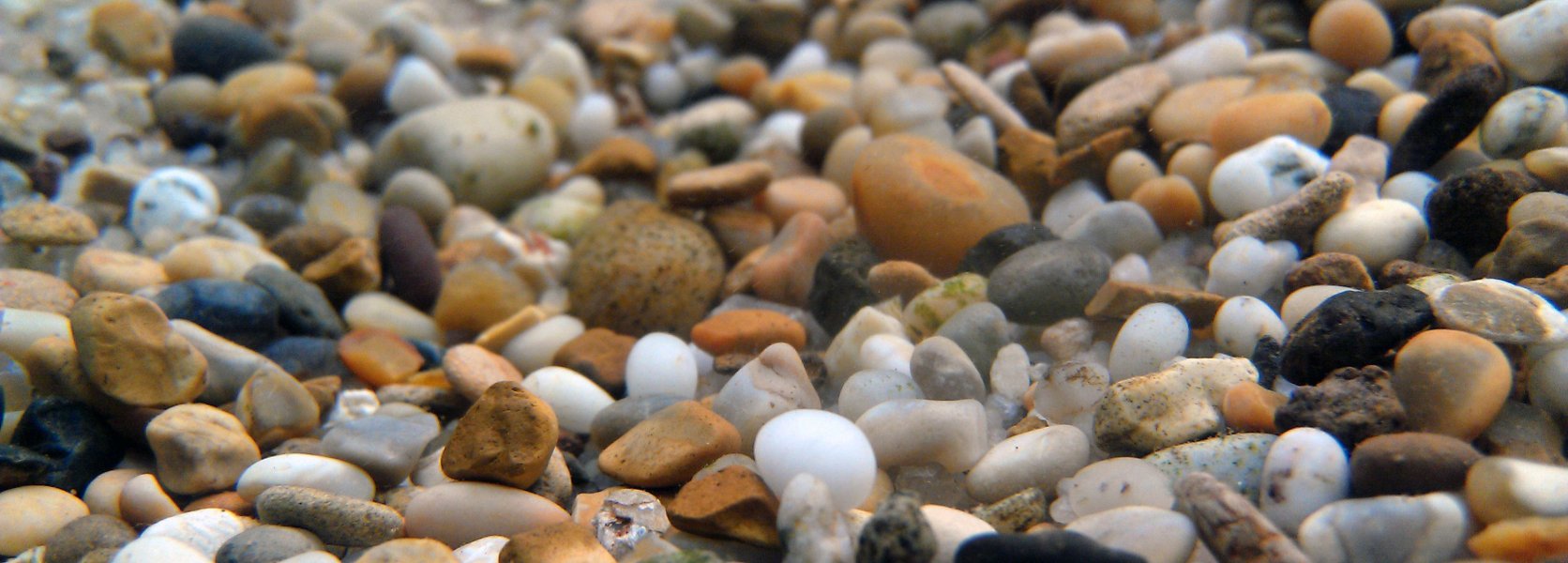
The substrate you choose for your freshwater aquarium has a bigger impact on the tank than most beginners expect. It affects water chemistry, plant growth, fish behavior, bacterial colonization, and the overall aesthetic of the setup. With so many options available, from basic colored gravel to specialized planted substrates, understanding what each type offers helps you make the right choice for your specific tank goals.
There is no single best substrate for every situation. A bare-bottom tank used for cichlid breeding has completely different requirements than a lush planted community aquarium. This guide covers the most widely used substrate types and explains which setups each one suits best.
Gravel: The Classic Choice
Aquarium gravel is the most widely used freshwater substrate and the first thing most beginners reach for. It comes in a range of grain sizes from fine to coarse, and in natural tones, mixed colors, or dyed varieties. Standard gravel is inert, meaning it does not affect water chemistry, which is a benefit or a limitation depending on what you need.
Gravel works well for most community fish tanks. It is easy to vacuum during water changes, holds plants adequately when weighted or planted in small pots, and provides good surface area for beneficial bacteria. The main drawback is that fine particles and waste can become trapped between the grains if not vacuumed regularly, leading to anaerobic pockets that produce hydrogen sulfide over time. Regular substrate maintenance prevents this issue.
Sand: Natural Look and Bottom-Feeder Friendly
Pool filter sand, play sand, and specialized aquarium sand are popular choices that give tanks a natural, clean appearance. Sand works particularly well for fish that naturally interact with substrate: corydoras catfish sift through it, cichlids dig in it, and loaches burrow into it. Sharp gravel can damage the delicate barbels of bottom-dwelling fish, making sand a better choice for any tank with corydoras, kuhli loaches, or similar species.
Fine sand compacts more than gravel, which reduces the risk of trapped detritus in one sense but also means waste tends to sit on the surface where it is more visible. Trumpet snails or occasional gentle stirring prevents dangerous anaerobic compaction in deep sand beds. Sand is also one of the more affordable substrate options, particularly pool filter sand purchased from hardware stores.
Planted Tank Substrates: Nutrient-Rich Options
For aquariums with live plants, nutrient-rich planted substrates like ADA Amazonia, Fluval Stratum, and CaribSea Eco-Complete are specifically formulated to support plant root growth. These substrates contain a complex of minerals, trace elements, and in some cases nitrogen compounds that provide initial nutrition to plant roots without requiring immediate supplementation.
Planted substrates typically have a softer, finer texture that plant roots penetrate easily. Many also buffer water toward a slightly acidic pH, which benefits plants and soft-water fish species like discus, South American tetras, and Amazonian community fish. The tradeoff is cost: quality planted substrates are significantly more expensive than gravel or sand, and they typically need replacement after three to five years as their nutrient content is depleted.
Fluval Stratum
Fluval Stratum is made from volcanic soil and is one of the most popular planted substrate choices for its light, porous texture and gentle acidifying effect. It buffers pH toward the 6.8 to 7.0 range, making it well suited for soft-water planted tanks. Its round, lightweight pellets allow plant roots to penetrate easily and provide good surface area for beneficial bacteria.
Fluval Stratum works exceptionally well for tanks housing shrimp alongside plants. The soft pH and plant-supporting properties suit Neocaridina shrimp (like cherry shrimp in neutral water) and Caridina shrimp (which need acidic, soft water). It can cloud the water slightly when first set up but clears within a day or two.
ADA Aqua Soil Amazonia
ADA Amazonia is the premium standard in planted aquarium substrates, widely used by aquascape enthusiasts. It is made from high-quality natural soil and is heavily loaded with nutrients. It significantly lowers pH, often to the 6.0 to 6.8 range, and releases ammonia heavily in the first two to four weeks after setup.
Because of the ammonia release, a tank set up with Amazonia must be cycled carefully before adding livestock. Large initial water changes during the first weeks dilute the ammonia while the nitrogen cycle establishes. The reward for this extra setup effort is exceptional plant growth with minimal supplementation in the first year. Amazonia is best suited for experienced planted tank keepers aiming for high-end aquascapes.
CaribSea Eco-Complete
CaribSea Eco-Complete takes a different approach from other planted substrates. It comes pre-colonized with live beneficial bacteria and contains a comprehensive mineral profile including iron, calcium, magnesium, and potassium. Unlike Amazonia, it does not release ammonia, making the cycling process more straightforward.
Eco-Complete has a dark, basalt-like appearance that gives tanks a natural, understated look and makes fish colors pop visually. It does not significantly alter pH in most tap water situations. It is a good middle-ground choice for those who want the benefits of a nutrient substrate without the complexity of managing the ammonia spike associated with ADA Amazonia.
Black Diamond Blasting Sand
Black Diamond blasting sand is an industrial product, originally used for abrasive blasting, that has become popular in the fishkeeping hobby as an affordable, attractive substrate alternative. It is very dark, almost black, which creates a striking contrast with brightly colored fish and green plants. It is also extremely inexpensive compared to purpose-made aquarium substrates.
It is inert and does not affect water chemistry. It rinses clean relatively easily and settles quickly. The main concern is that some bags contain silica dust, so thorough rinsing before use is important. It is coarser than typical play sand and does not compact as densely, making it acceptable for tanks with burrowing fish. It has no nutritional value for plants, so root tabs or liquid fertilizers are needed in planted setups.
Crushed Coral and Aragonite
Crushed coral and aragonite are not typical choices for standard community tanks, but they are valuable in specific situations. Both substrates slowly dissolve and release calcium carbonate, which raises pH and increases hardness. They are the preferred substrates for African cichlid tanks where alkaline, hard water is required, and for shell-dweller cichlid setups.
These substrates are also useful as a buffer in naturally soft, acidic tap water if you want to keep fish that prefer harder conditions. Using a thin layer of crushed coral mixed into the bottom of a gravel substrate is a subtler way to stabilize pH without fully committing to a coral substrate throughout the tank.
Root Tabs and Liquid Fertilizers With Inert Substrates
If you choose an inert substrate like gravel or sand but want to grow plants, root tabs are pressed fertilizer tablets pushed into the substrate near plant roots. They provide a localized nutrient source for heavy root feeders like Amazon swords, cryptocorynes, and Vallisneria. Root tabs are affordable and last several months before needing replacement.
Liquid fertilizers are dosed into the water column and primarily benefit plants that absorb nutrients through their leaves. Most planted tanks benefit from both: root tabs for root feeders and liquid ferts for stem plants and floating plants. This combination allows any inert substrate to support a thriving planted aquarium without the cost of a premium planted substrate.
Substrate Depth
The recommended depth varies by substrate type and tank purpose. For gravel in a fish-only or lightly planted tank, 2 to 3 inches is standard. For planted tanks using nutrient substrates, 3 to 4 inches allows adequate root development. Sand can be kept shallower, around 1.5 to 2 inches, as deep sand beds can become anaerobic in aquariums without strong water movement or sand-stirring inhabitants.
Some aquascapers use a sloped substrate, deeper at the back and shallower at the front, to create visual depth and a sense of perspective. This approach requires securing the slope with hardscape or by using substrates of different textures. Slopes tend to flatten over time as fish activity redistributes the material, so periodic reshaping may be needed.
Which Substrate to Choose
For a fish-only community tank with bottom-dwellers like corydoras: pool filter sand or fine aquarium gravel. For a planted community tank without soft-water fish: Eco-Complete or Fluval Stratum. For a high-tech planted aquascape: ADA Amazonia. For an African cichlid tank: crushed coral or aragonite, or gravel with crushed coral added. For a budget setup that still works: play sand or pool filter sand with root tabs.
Matching the substrate to the fish, plants, and water chemistry goals of the tank is the key decision. Starting with the right substrate from the beginning saves significant effort down the road, as replacing substrate in an established, stocked tank is a major undertaking. Take the time to choose well at setup and your tank will benefit for years.