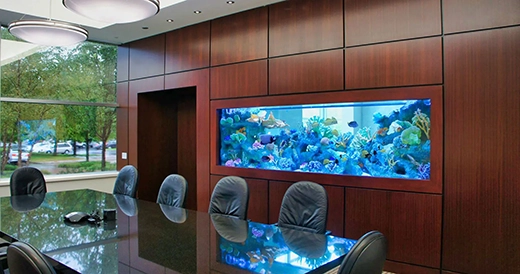
An aquarium in the workplace does more than look attractive. Research has shown that watching fish reduces stress, lowers blood pressure, and improves focus. For office environments where calm and productivity matter, a well-maintained aquarium is one of the best investments a business can make. But not all fish are well-suited to the peculiarities of office life: irregular maintenance schedules, weekend feeding gaps, variable lighting, and the fact that the tank is a centerpiece and must always look its best.
The ideal office aquarium fish is hardy, visually impressive, low-maintenance, and forgiving of the occasional missed feeding or delayed water change. Below are nine species that check all those boxes, along with an explanation of why each works well in a workplace setting.
1 / 9Betta Fish
The betta fish is perhaps the single best fish for an office aquarium, particularly for small desks or reception areas. A single male betta in a 5 to 10-gallon tank makes an immediate impression with its flowing fins and vivid colors. Bettas are hardy, can tolerate a range of water conditions, and do not need a complex filtration system. They are also famously tolerant of missed feedings, capable of going a weekend without eating without significant stress, which suits Friday-to-Monday office closures perfectly.
Keep one male per tank and avoid putting them with fin-nipping species. A simple sponge filter, a small heater, and a silk or live plant are all the setup required. The sheer visual variety of betta tail types and color combinations means no two office bettas need to look alike.
2 / 9Neon Tetras
Neon tetras are a classic for good reason. Their neon-blue stripe and red tail are instantly recognizable and universally eye-catching. In a group of 10 to 15, they create a shimmering, coordinated school that draws the eye and creates a sense of calm movement. They are small (about 1.5 inches), peaceful, and undemanding in terms of water chemistry.
Neons do best in a 20-gallon or larger tank with stable water conditions. They are slightly more sensitive than some species on this list, preferring soft, slightly acidic water, but once established in a cycled tank they are reliable and long-lived. Their schooling behavior means they are always visible and actively moving, making them engaging for visitors and coworkers throughout the day.
3 / 9Zebra Danios
Zebra danios are arguably the hardiest fish on this list. They tolerate a wide temperature range (64 to 77 degrees Fahrenheit), accept almost any water chemistry, and eat virtually anything offered. If your office gets cold on winter weekends before the heat kicks in on Monday morning, danios are the fish most likely to emerge unscathed. They are also extremely active, darting around the tank in lively schools that give the aquarium constant motion.
Keep zebra danios in groups of 6 or more in a 20-gallon or larger tank. They are peaceful with similarly sized tankmates, though their energy can stress slow, timid species. The longfin variety adds elegance to their classic horizontal striping. For offices where reliability is the top priority, zebra danios are the safe choice.
4 / 9Goldfish
Goldfish are iconic, recognizable, and genuinely beautiful in the right setup. For an office aquarium, fancy goldfish varieties like orandas, ryukins, or ranchus in a large filtered aquarium make a striking centerpiece that virtually everyone recognizes and appreciates. Goldfish are cold-water fish, eliminating the need for a heater, and they tolerate a full weekend without feeding without issue.
The key requirements for office goldfish are space and filtration. A single fancy goldfish needs at least 20 gallons, with 10 additional gallons per additional fish, and a powerful filter rated for at least twice the tank volume. They produce significant waste, so filtration and regular water changes are non-negotiable. But maintained correctly, goldfish can live 10 to 15 years and become genuine office mascots.
5 / 9Corydoras Catfish
Corydoras catfish are the ideal bottom-dwelling complement to any community office tank. Small (2 to 3 inches), peaceful, and constantly busy, they spend their days scooting along the substrate and foraging for food, providing endless activity at the tank floor while other fish occupy the upper levels. They are exceptionally hardy, tolerant of a wide range of water conditions, and peaceful with virtually every non-predatory species.
Keep corydoras in groups of 6 or more, as they are social fish that stress when isolated. They accept sinking pellets, frozen bloodworms, and leftover flake food that reaches the bottom. Popular species include the peppered cory, bronze cory, and panda cory. All three stay small and add a lively, charming dynamic to the tank floor that visitors consistently find delightful.
6 / 9Mollies
Mollies are colorful, active, and extraordinarily easy to keep. They are livebearers, meaning they give birth to free-swimming fry rather than laying eggs, which occasionally produces an exciting surprise litter event in the office tank. Available in black, orange, dalmatian-spotted, and sailfin varieties, mollies add visual diversity without requiring specialized care.
Mollies do best in slightly hard, alkaline water with a temperature of 72 to 82 degrees Fahrenheit. They are omnivores that accept flake food readily and appreciate vegetable-based foods like spirulina flakes. One consideration for office tanks: mollies breed easily, so keep all males or keep a ratio of two females per male to prevent population explosions. Sailfin mollies are particularly dramatic, with males spreading impressive dorsal fins during courtship displays.
7 / 9Platies
The platy is another livebearer ideally suited to the office. Hardy, colorful, and peaceful, platies are available in dozens of color varieties ranging from sunset orange to blue-tuxedo patterns. They accept a wide range of water conditions, eat almost anything, and do not grow large enough to require a huge tank. A group of six to eight platies in a 20-gallon tank creates a colorful, active display that requires minimal upkeep.
Like mollies, platies breed readily, so keep all males or manage the sex ratio to prevent overpopulation. They mix well with virtually any peaceful community fish including tetras, corydoras, and rasboras. Platies are a consistent performer in office tanks: reliable, attractive, low-maintenance, and always active during business hours when the lights are on.
8 / 9Bristlenose Plecos
The bristlenose pleco is the workhorse of the office aquarium. These compact, armored catfish (maximum 5 inches) spend their time grazing on algae from the glass, substrate, and decorations, doing constant maintenance work that keeps the tank cleaner between staff cleanings. Unlike common plecos, which outgrow most tanks, bristlenose plecos stay small enough for a 30-gallon or larger office aquarium.
Their appearance is distinctive and unusual, with a flattened body covered in bony plates and males sporting a cluster of facial bristles that are genuinely striking up close. They are peaceful, nocturnal, and virtually never cause problems with tankmates. Supplement their algae grazing with algae wafers and blanched zucchini or cucumber slices for optimal health. A bristlenose in the tank means less algae scrubbing for the person maintaining it.
9 / 9Harlequin Rasboras
The harlequin rasbora is one of the best schooling fish available for an office aquarium. With a copper-orange body and a distinctive black triangular patch on the rear half, a school of 10 to 15 harlequins creates a cohesive, visually unified display that is more elegant than many other schooling options. They stay small (1.5 to 2 inches), are peaceful, and are hardy enough to handle the temperature fluctuations that office tanks sometimes experience over long weekends.
Harlequin rasboras prefer soft, slightly acidic water but adapt to neutral conditions in a cycled tank. They occupy the middle water column, which pairs beautifully with corydoras at the bottom and perhaps a betta or gourami at the top. Feed them small flake food and occasional frozen brine shrimp or daphnia. Few fish offer the same combination of elegance, hardiness, and schooling behavior that makes an aquarium look professionally curated.
Setting Up an Office Aquarium for Success
Beyond fish selection, a few practical considerations determine whether an office aquarium thrives or becomes a maintenance headache. Tank size matters: larger tanks are actually easier to maintain than small ones because water parameters are more stable and the tank is more forgiving of missed maintenance. A 30 to 55-gallon aquarium is an ideal size for most office environments, large enough to make an impact but manageable for weekly care.
Designate a specific person or rotation of staff to handle weekly water changes of 20 to 30%, filter media rinsing (in old tank water, not tap water), and glass cleaning. A simple maintenance log kept near the tank ensures tasks do not slip through the cracks. With the right fish, a well-designed office aquarium practically runs itself between weekly sessions, providing daily enjoyment for everyone in the space with minimal ongoing effort.