Why filter choice matters more in small tanks
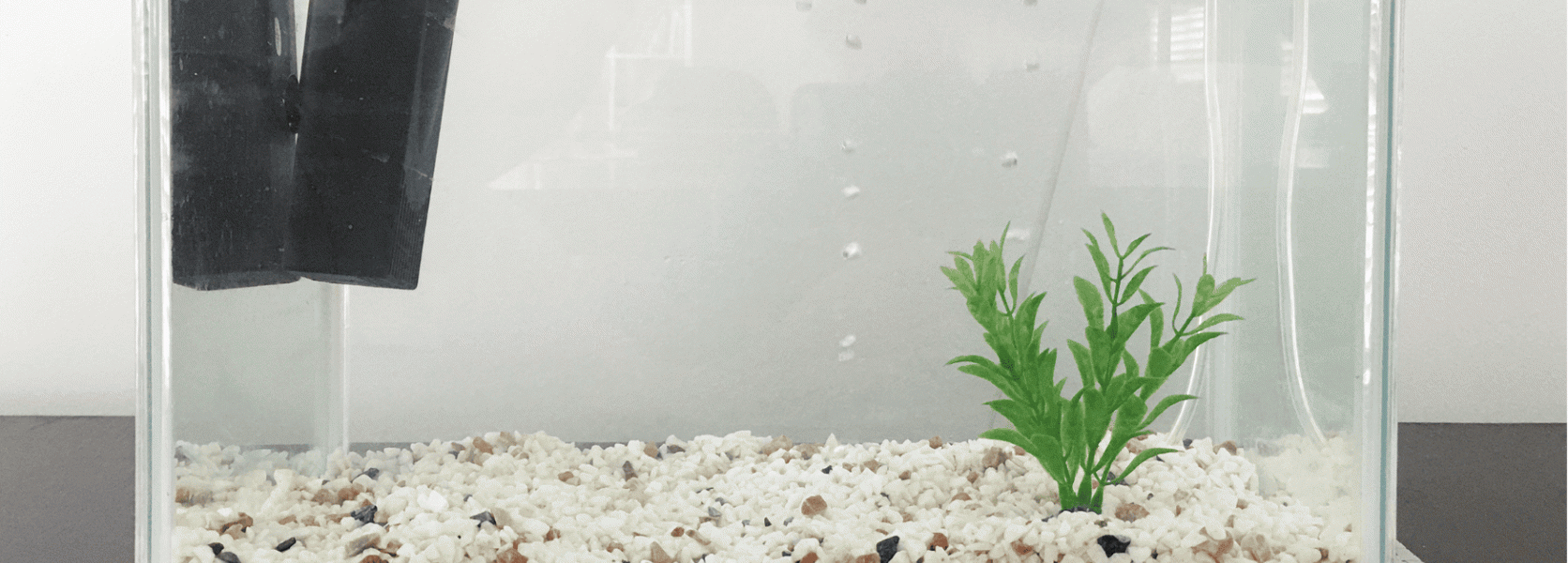
In a large tank, a slightly undersized filter has some margin for error. In a small tank of 10 gallons or less, there is almost no margin at all. The water volume is small, waste accumulates quickly, and ammonia can reach dangerous levels within hours of a filter failure or overcrowding event. This is why choosing an appropriate filter for a small tank is more important, not less, than for a large one.
The three types of filtration
Every aquarium filter should ideally provide all three types. Mechanical filtration physically removes particles from the water using sponge or floss. Biological filtration provides surface area for beneficial bacteria to colonize and process ammonia and nitrite. Chemical filtration uses activated carbon or similar media to remove dissolved compounds. In small tanks, biological filtration is the most critical because bacterial colonies need stable, undisturbed media to thrive.
Sponge filters: the best value option
A sponge filter powered by an air pump is the most recommended option for tanks under 20 gallons, and the go-to choice for breeding and quarantine tanks. They provide excellent biological filtration because the sponge develops a thick bacterial colony over time. They are gentle enough for fry and small fish. They are nearly indestructible, cost very little, and are easy to maintain by squeezing the sponge in tank water during water changes. The only drawback is that they require a separate air pump and airline tubing.
HOB filters (hang on back)
HOB filters hang on the back rim of the tank and draw water through a cartridge or chamber of media. They are easy to set up, widely available, and effective. For small tanks, models like the Aquaclear 20 or 30 are popular because they use replaceable sponge and carbon media rather than proprietary cartridges, which preserves the bacterial colony when only the carbon is changed. Avoid filters that require replacing the entire cartridge each month, as this destroys the biological filtration every time.
Internal filters
Internal filters sit inside the tank and are fully submerged. They are common in smaller tanks and beginner kits. They work adequately for lightly stocked nano tanks but have limited media volume, which reduces biological filtration capacity. They can also take up interior tank space that could be used for decoration or swimming area. They are a reasonable choice if the tank comes with one, but a sponge filter or quality HOB is usually preferable for serious fishkeeping.
Flow rate and fish safety
Small fish and fry can be injured or killed by strong filter intake suction. If keeping small or delicate species, cover filter intakes with a pre-filter sponge to slow suction and prevent fish from being trapped. Target a flow rate of 4–6 times the tank volume per hour for most small tanks. For very slow-water species like bettas, choose a filter with an adjustable flow and turn it down to create minimal current.