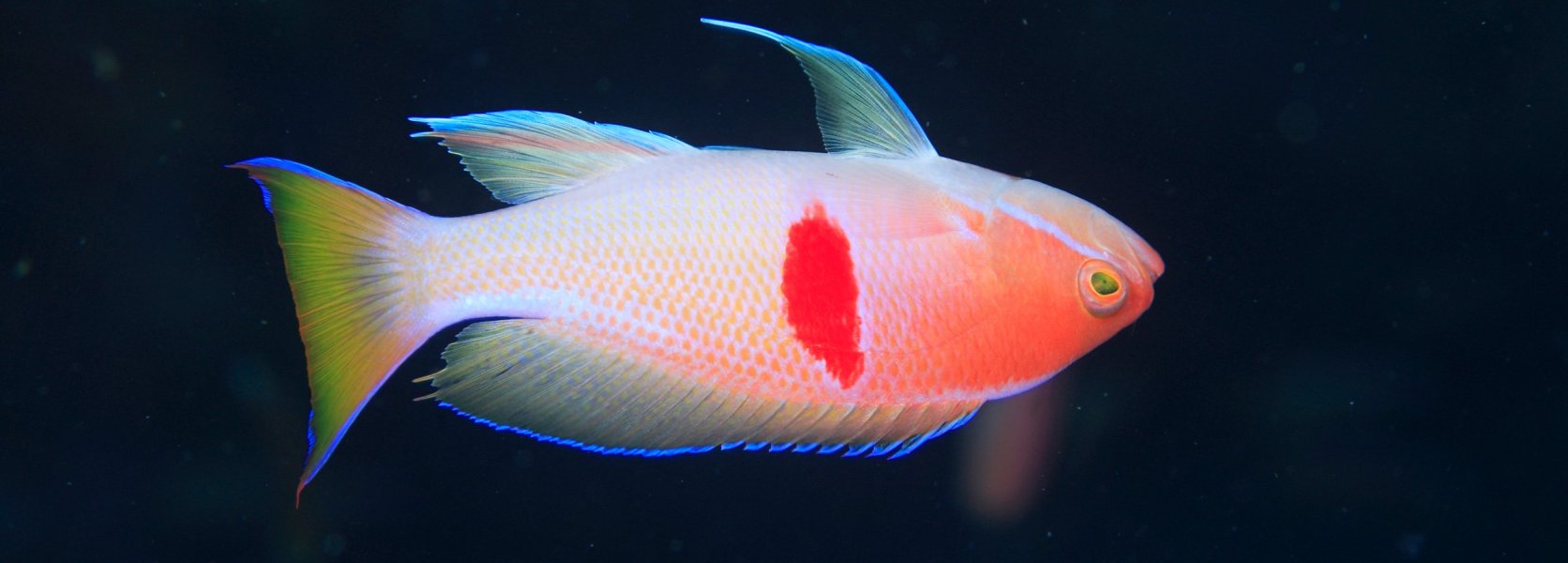
Swimming upside down almost always points to one of two things
When a fish swims inverted, rolls to one side, or floats at the surface belly-up while still alive, the most likely cause is a swim bladder problem. The swim bladder is an internal gas-filled organ that fish use to control buoyancy. When it malfunctions, the fish loses the ability to maintain its position in the water column. The good news is that many swim bladder issues are caused by correctable problems rather than disease.
The most common cause: overfeeding and constipation
In goldfish and fancy goldfish breeds especially, the most frequent cause of swim bladder problems is constipation from overfeeding or an inappropriate diet. Goldfish with compressed body shapes, like orandas, ryukins, and bubble eyes, have organs packed into a rounded body that leaves little room for digestive swelling. Overfeeding causes the digestive tract to press against the swim bladder, compressing or displacing it. The fix is straightforward: fast the fish for 24–48 hours, then feed a small amount of blanched, skinned peas. The high fiber content usually resolves constipation within a day or two.
Air ingestion while feeding
Fish that feed at the surface, particularly goldfish eating floating pellets or flakes, can gulp air along with food. This air enters the digestive tract and can temporarily affect buoyancy. Switching to sinking pellets that have been pre-soaked for 30 seconds eliminates this issue for most fish. This is the simplest and most easily preventable cause of swim bladder problems.
Bacterial infection
If dietary changes do not resolve the issue within a week, the swim bladder may be infected by bacteria. Bacterial swim bladder disease is harder to treat and may not be curable in advanced cases. It is often accompanied by other symptoms like pineconing scales, bloating, lethargy, and loss of appetite. A course of antibiotic treatment using a broad-spectrum antibiotic appropriate for internal infections may help if started early. Gram-negative bacteria are the most common culprits.
Physical injury
A fish that collides with tank equipment, is chased and struck by an aggressive tank mate, or is mishandled during transport can sustain physical damage to the swim bladder. This type of injury often results in a permanent or long-term buoyancy problem. Affected fish can sometimes learn to compensate and live relatively normal lives in a shallow tank where the distance to the surface and substrate is reduced.
When to consider euthanasia
A fish that cannot right itself, cannot reach food, and is being bullied by tank mates is suffering. If treatment attempts over two to three weeks produce no improvement and the fish shows no quality of life, humane euthanasia using clove oil is the kindest option. This is a difficult decision, but a fish permanently floating upside down at the surface with no ability to swim normally is in chronic distress.