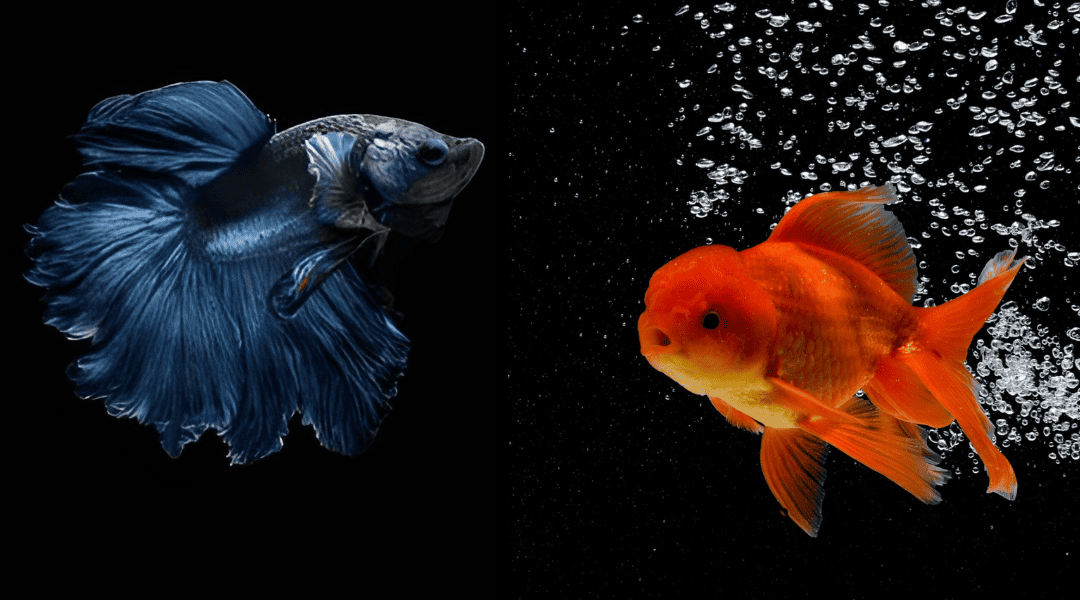
When new fishkeepers ask which fish to start with, two names come up more than any other: goldfish and betta fish. Both are widely available, affordable, and genuinely beautiful. But they have very different care requirements, temperaments, and space needs. Choosing the wrong one for your situation can lead to frustration, while choosing the right one sets you up for years of enjoyment.
This guide breaks down every major factor you should consider before bringing either fish home. By the end, you will have a clear sense of which fish fits your lifestyle, your budget, and the kind of experience you want as a new fish owner.
Origins and Natural Habitat
Goldfish (Carassius auratus) are domesticated descendants of wild carp native to China, selectively bred for over a thousand years. In the wild, their relatives live in cool, slow-moving rivers and ponds. Modern goldfish varieties range from the hardy common goldfish to the delicate fancy types with double tails and rounded bodies. They are coldwater fish that actually prefer temperatures between 65 and 72°F.
Betta fish (Betta splendens) originate from the shallow rice paddies, ponds, and streams of Southeast Asia, particularly Thailand and Cambodia. They evolved in warm, often oxygen-poor water and developed a special organ called the labyrinth organ that lets them breathe air directly from the surface. They thrive at 76 to 82°F and come from tropical environments.
Tank Size Requirements
This is where many beginners are misled. Goldfish are often sold as bowl fish, but that is one of the most persistent myths in the hobby. A single fancy goldfish needs a minimum of 20 gallons, and common or comet goldfish need 40 to 75 gallons because they grow large and produce enormous amounts of waste. Keeping goldfish in small tanks leads to stunted growth, poor health, and early death.
Bettas, by contrast, can thrive in a well-filtered, heated 5-gallon tank. This makes them genuinely practical for apartments, dorm rooms, and smaller living spaces. A 5 to 10 gallon tank with a gentle filter and a heater is all a betta needs to live a full, healthy life.
Water Temperature and Heating
Goldfish are coldwater fish and do not need a heater in most homes, provided the temperature stays consistently in the 65 to 72°F range. They actually suffer in warm water, which reduces oxygen levels and speeds up their metabolism in harmful ways. If your room stays above 75°F in summer, you may need to cool the tank rather than heat it.
Bettas are tropical fish and require a heater. Without one, a betta kept at room temperature (especially below 74°F) becomes sluggish, stops eating, and becomes vulnerable to disease. A reliable heater that maintains 78 to 80°F is essential equipment for betta keeping, adding a small but real cost to the setup.
Filtration Needs
Goldfish are extraordinarily messy. They eat constantly, produce vast amounts of ammonia-rich waste, and require robust filtration, often rated for two to three times the actual tank volume. A goldfish in a 30-gallon tank may need a filter rated for 60 to 90 gallons. Neglecting filtration with goldfish results in rapid ammonia spikes that can kill them within days.
Bettas need filtration too, but they are far less demanding in this regard. Because they come from still waters, they actually dislike strong currents. A gentle sponge filter or a low-flow hang-on-back filter is ideal. The main concern with betta filtration is avoiding strong flow that stresses them or damages their fins.
Feeding and Diet
Goldfish are omnivores with an enormous appetite. They will eat practically anything: flakes, pellets, vegetables, live or frozen foods. They require food two to three times daily and have no stomach, meaning they process food constantly. Overfeeding is a common problem that contributes to water quality issues. High-quality sinking pellets designed for goldfish are better than flakes, which goldfish gulp at the surface and swallow air.
Bettas are carnivores that evolved eating insects and larvae. They need high-protein foods and do best on betta-specific pellets, freeze-dried bloodworms, and frozen brine shrimp. They eat once or twice a day in small amounts. Bettas are known to go on hunger strikes occasionally, especially when adjusting to a new home, which can worry new owners though it is usually normal behavior.
Lifespan
With proper care, goldfish live an impressively long time. Common and comet goldfish regularly live 15 to 20 years and sometimes longer. Fancy goldfish typically live 10 to 15 years. This long lifespan is a commitment many beginners do not anticipate when buying a small fish from a pet store bowl.
Bettas have a shorter lifespan of 2 to 5 years, with 3 years being typical for a well-cared-for fish. Since they are often sold as adults, some bettas purchased at a store may only have 1 to 2 good years ahead of them. This shorter commitment appeals to some new keepers, while the longer goldfish lifespan appeals to others who want a long-term companion.
Temperament and Tank Mates
Male bettas are famously aggressive toward other male bettas and cannot be housed together. They can also attack fish with flowing fins that resemble rival males. However, a single betta in its own tank (or carefully chosen community) is peaceful toward humans and often quite interactive, recognizing their owners and following their finger along the glass.
Goldfish are generally peaceful but present different compatibility issues. They are coldwater fish, limiting tank mate choices to other coldwater species. They also tend to eat anything small enough to fit in their mouth, making them incompatible with small fish or invertebrates. Two or more goldfish of the same type usually coexist well together, which is actually recommended since they are social animals.
Cost of Setup
A proper betta setup costs less upfront. A 5 to 10 gallon tank, gentle filter, heater, lid, and basic decor can be assembled for $50 to $100. Ongoing costs are low: a small bag of pellets lasts months, and water changes of 25 percent weekly keep the tank stable.
A proper goldfish setup costs significantly more. A 30-gallon tank with a powerful filter, stand, and accessories can easily run $150 to $300 or more. The higher water volume means larger, more frequent water changes and higher electricity consumption. Fancy goldfish themselves also cost more than common varieties, sometimes $10 to $30 per fish at a quality fish store.
Ease of Illness Management
Both fish are susceptible to common diseases like ich, fin rot, and bacterial infections. Goldfish are particularly prone to swim bladder disorders, often linked to diet and constipation. Their fleshy, rounded fancy varieties are also more delicate than their streamlined relatives. Fancy goldfish require more attentive care and are not always suitable for absolute beginners.
Bettas are relatively hardy when kept at proper temperature. Their most common issues are fin rot and velvet, both preventable with clean water and proper conditions. A betta that begins showing clamped fins or lethargy almost always responds well to a water change and temperature correction, making issues easier to diagnose and address for new hobbyists.
Which Fish Should You Choose?
Choose a betta if you have limited space, want to start with a small tank (5 to 10 gallons), prefer a lower-cost setup, and enjoy watching an interactive, personable fish. Bettas are one of the most rewarding beginner fish precisely because of how responsive they are to their owners in a compact setup.
Choose a goldfish if you have space for at least a 20 to 30 gallon tank, are prepared for the long-term commitment of a fish that may outlive your cat, and enjoy keeping two or more fish together. Common goldfish kept in large, well-filtered tanks are extraordinarily hardy and genuinely low-maintenance once the setup is right.