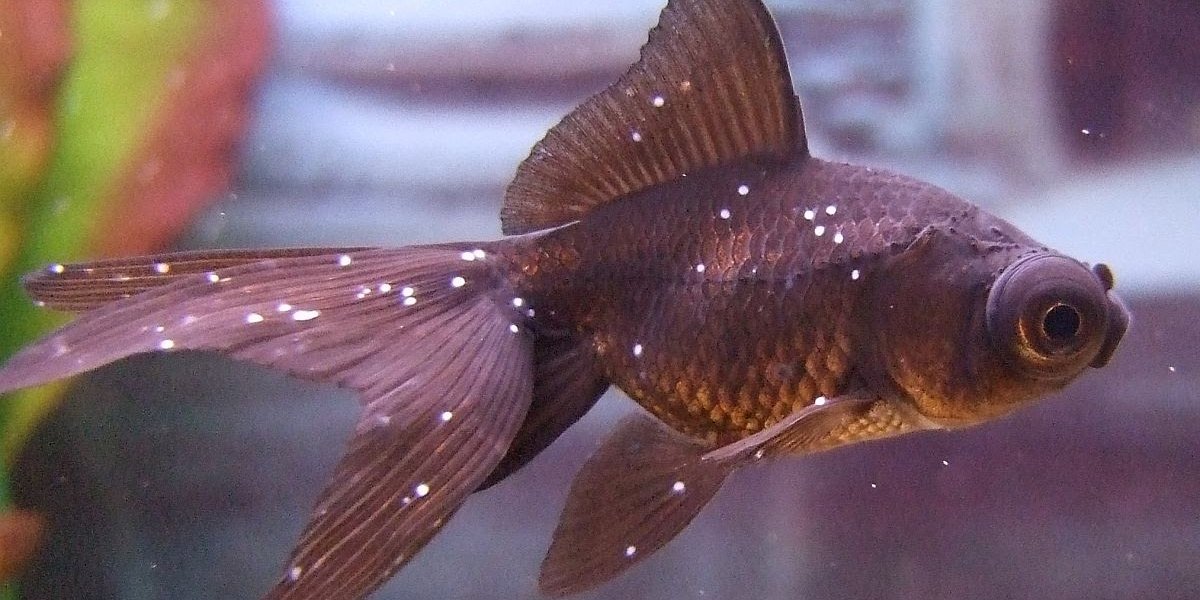
If you keep fish long enough, you will almost certainly encounter ich, also known as white spot disease. It is the most common parasitic disease in freshwater aquariums, and it can wipe out an entire tank if left untreated. The good news is that ich is highly treatable when caught early, and with the right approach most fish make a full recovery.
Understanding the parasite's life cycle is essential to treating it effectively. Many treatments fail not because the medicine does not work, but because hobbyists stop treatment too early or apply it incorrectly. This guide walks through everything you need to know to identify, treat, and prevent ich in your aquarium.
What Is Ich?
Ich is caused by the ciliate protozoan parasite Ichthyophthirius multifiliis. Despite its complex name, it is a single-celled organism that completes its life cycle partly on your fish and partly on the substrate and water column. The white spots you see on infected fish are individual parasites that have burrowed under the fish's mucus layer to feed and mature.
Ich is present at low levels in many aquariums without causing visible disease. Outbreaks typically occur when fish are stressed, which suppresses their immune system, or when new fish introduce a heavier load of the parasite. Common stress triggers include temperature swings, poor water quality, overcrowding, and the introduction of new fish without quarantine.
Recognizing the Symptoms
The most visible sign of ich is the appearance of tiny white spots on the fish's body, fins, and gills. These spots look like grains of salt or fine white powder, and they are distinct from other conditions. Each spot is about 0.5 to 1 mm in diameter. Fish may also exhibit flashing, which is the behavior of rubbing their bodies against rocks, gravel, or decorations in an attempt to dislodge the parasites.
As the infection progresses, fish often show clamped fins, rapid gill movement (suggesting gills are affected), reduced appetite, and lethargy. When the gills are heavily infested, fish may hang near the surface gasping for air. Gill involvement is the most dangerous stage since it interferes with respiration and can cause death quickly if untreated.
The Life Cycle of Ich (Why Timing Matters)
Understanding ich's life cycle explains why treatment requires precision. The parasite goes through three stages. In the trophont stage, it burrows under the fish's skin and feeds, producing those visible white spots. This stage lasts 5 to 7 days depending on water temperature. During this stage, the parasite is protected under the fish's mucus and most treatments cannot reach it.
When mature, the trophont drops off the fish and becomes a tomont, encasing itself in a cyst on the substrate or decorations. Inside the cyst it divides rapidly, producing up to 2,000 free-swimming theronts that burst out and seek a new host. This entire cycle takes 4 to 7 days at 77°F, but slows dramatically in cooler water. The theront stage, when the parasite is actively swimming in the water column looking for a fish, is the only stage where most treatments are effective.
Raising the Temperature
One of the most effective and chemical-free strategies for treating ich is raising the tank temperature. Increasing the water temperature to 86°F (30°C) for 10 to 14 days speeds up the parasite's life cycle dramatically, forcing it through the vulnerable free-swimming stage faster and making treatments more effective. At higher temperatures, the tomont cysts also develop and hatch faster, completing the cycle before new trophonts can re-establish on the fish.
This method works well for tropical fish but is not suitable for coldwater species like goldfish, which cannot tolerate 86°F. When raising temperature, do so gradually over 24 to 48 hours at no more than 2°F per hour. Also increase aeration or surface agitation, since warmer water holds less dissolved oxygen. Many mild ich cases in tropical tanks resolve completely with temperature treatment alone.
Using Ich Medications
Several effective medications are available for ich treatment. Ich-X (containing formaldehyde and malachite green) is one of the most popular and reliable options. API Super Ick Cure contains malachite green and is widely available. Kordon Rid-Ich Plus is another trusted formula. Always follow the dosing instructions on the label, and remember that these medications treat the free-swimming stage, not the visible spots on the fish.
A critical mistake is stopping treatment when the visible white spots disappear. The spots falling off means the trophonts have matured and dropped, but thousands of free-swimming theronts may be in the water looking for a host. Continue treatment for the full recommended duration (usually 7 to 10 days) to ensure all life cycle stages are eliminated.
Salt Treatment
Aquarium salt (not table salt) can be used as a supplementary treatment for ich. At a dose of 1 to 3 teaspoons per gallon, salt creates an osmotic stress environment that the parasite struggles to survive in while most fish tolerate it well. Salt is particularly useful for fish sensitive to chemical medications, such as loaches, catfish, and scaleless fish, which can react badly to malachite green at full dose.
If using salt with medication-sensitive fish, either halve the chemical dose or use salt as the primary treatment alongside elevated temperature. Never use salt in tanks with live plants, as most aquatic plants cannot tolerate even mild salinity. Always dissolve salt in a cup of tank water before adding it to the aquarium.
Treating Scaleless and Sensitive Fish
Fish without scales, including cory catfish, otocinclus, loaches, and knife fish, are particularly sensitive to ich medications containing malachite green or formaldehyde. Treat these fish at half the recommended dose and monitor closely for any signs of stress such as gasping, erratic swimming, or sudden inactivity. Removing sensitive fish to a hospital tank for treatment at lower doses is a safer approach when possible.
Some fishkeepers choose to treat scaleless fish with temperature elevation and salt only, avoiding chemical medications entirely. While this approach takes longer, it is gentler and still effective if the tank temperature can be raised safely and the fish are not severely infected.
The Hospital Tank Approach
Using a separate hospital or quarantine tank for ich treatment has several advantages. It protects beneficial bacteria in your main tank from being killed by medications. It allows you to treat only affected fish rather than medicating an entire community tank, which protects sensitive species. It also lets you observe individual fish more closely and monitor recovery.
A hospital tank does not need to be elaborate: a bare-bottom 10 to 20 gallon tank with a heater, air stone, and a seasoned filter sponge is sufficient. The bare bottom makes it easy to siphon out the tomont cysts that fall off the fish, manually reducing the parasite load during treatment.
Treating the Main Tank
Even if you remove infected fish to a hospital tank, the main tank still contains tomont cysts and free-swimming theronts that need to be addressed. One approach is to raise the main tank temperature to 86°F for two weeks with no fish present, which breaks the life cycle since theronts that hatch cannot find a host and die within 48 hours. Alternatively, treat the main tank with medication regardless of whether fish are present.
Vacuuming the substrate thoroughly during treatment removes tomont cysts before they can hatch, significantly reducing the parasite population. Do this with every water change during the treatment period. Replace the water removed with clean, dechlorinated water at the same temperature before adding fresh doses of medication.
Prevention and Quarantine
The most effective defense against ich is a strict quarantine protocol for new fish. House any new fish in a separate tank for at least two to four weeks before adding them to your main aquarium. During this period, even fish that appear healthy may develop ich as they settle in, allowing you to treat them without risking your established tank.
Maintaining excellent water quality is equally important. Regular water changes, avoiding overstocking, and keeping temperatures stable prevent the stress that makes fish susceptible to ich outbreaks. A fish in clean, stable water with a healthy immune system can often resist low-level ich exposure without developing a full outbreak.