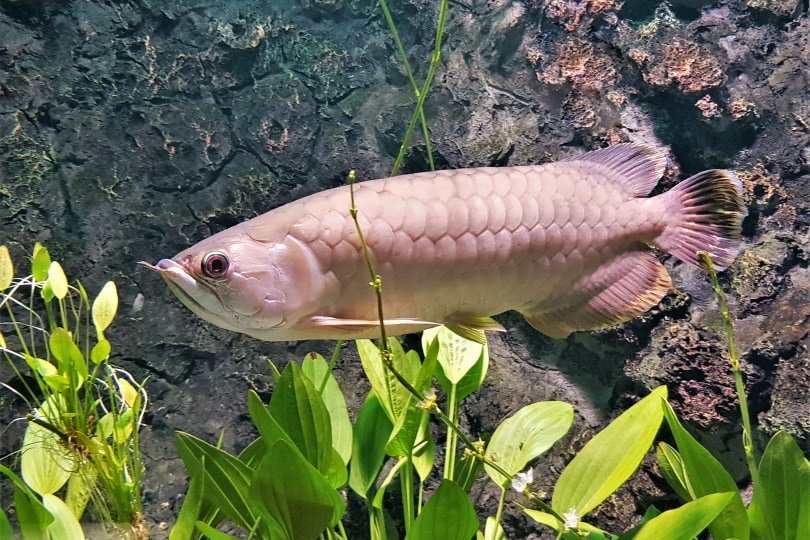
Aggression in fish tanks is one of the most frustrating problems a hobbyist can face. A fish that seemed peaceful at the store can terrorize its tankmates at home, and a previously calm community can erupt in conflict after a new addition or tank rearrangement. Understanding why fish fight is the first step toward managing it effectively.
Fish aggression is not malice. It is a set of survival behaviors hardwired by millions of years of evolution. By understanding the triggers, you can design your tank and stocking list to minimize conflict and create a genuinely stable community.
Types of Aggression in Fish
Not all fish aggression looks the same, and identifying the type helps determine the right response. Territorial aggression occurs when a fish defends a specific area of the tank, such as a cave, a plant cluster, or a section of the bottom. Competitive aggression happens when fish compete for food, mates, or the best hiding spots. Predatory aggression is straightforward: a larger fish eating a smaller one. Breeding aggression peaks during spawning, when even normally peaceful fish become intensely defensive of their eggs and fry. Fin nipping is a specific behavior seen in certain species, targeting the long fins of other fish without a clear territorial motive.
Species-Level Aggression: Know Before You Buy
Some fish are genetically programmed toward aggression, and no amount of tank arrangement will make them peaceful community fish. Bettas fight other bettas and attack fish with similar body shapes or fin profiles. African cichlids are highly territorial and can kill tankmates that cannot escape. Tiger barbs are compulsive fin nippers that will stress long-finned fish like angelfish and bettas. Oscars treat any fish small enough to fit in their mouth as food. Research the aggression profile of any fish before purchasing it, and be honest about whether it fits your existing community. Selecting compatible species from the start eliminates the most common source of aquarium aggression.
Tank Size and Aggression
The relationship between tank size and aggression is direct and significant. In a small tank, there is nowhere for a weaker fish to flee, and a dominant fish can see and reach every corner. In a large tank, subordinate fish can stay out of a dominant fish's sightline and establish their own sub-territories. The general principle is: more space means less aggression. If you are keeping species known for territorial behavior, always go larger than the minimum recommendation. A pair of convict cichlids can coexist peacefully in a 55-gallon tank but will make the same pair stressed and injured in a 20-gallon.
Territory and Sightlines
Line of sight is a key factor in territorial aggression. If a dominant fish can see every other fish in the tank at all times, it will patrol and attack relentlessly. Breaking sightlines with tall plants, rocks, driftwood, and decorations creates visual barriers that allow subordinate fish to exist outside the dominant fish's awareness. Dense planting in a cichlid tank, for example, dramatically reduces the number of aggressive encounters per hour. Each cluster of plants or arrangement of rocks creates a mini-territory that a less dominant fish can occupy and feel relatively secure in. Arrange hardscape so that no single fish can patrol the entire tank without multiple obstacles.
The Role of Stocking Density
Counterintuitively, higher stocking density can reduce aggression in certain situations. With species that school or that spread aggression across a group, having more fish dilutes the attention of the dominant individual. In a tank with one dominant tiger barb and two others, the dominant fish fixates on the other two constantly. In a tank with a school of twelve, the dominant fish cannot keep track of all the others and aggression is distributed and diluted. This principle applies to many schooling fish, certain cichlids, and livebearers. Always research the recommended group size for any fish you plan to keep.
Food Competition and Feeding Strategies
Aggression spikes significantly at feeding time when fish compete for the same food in the same location. Spreading food across multiple areas of the tank or using different food delivery methods reduces competition. Drop some flake at one end, add sinking pellets to another area, and place a veggie clip on the side of the tank. Feed at multiple spots simultaneously. If you have a dominant fish that eats quickly and then attacks others, feed it first, wait for it to settle, then add food for the others. For bottom dwellers like corydoras, ensure food reaches the substrate where surface-feeding fish will not consume it first.
Breeding Aggression
Breeding-related aggression is among the most intense fish behavior you will witness in an aquarium. Even mild-mannered fish like keyhole cichlids or kribs will aggressively defend a spawning site and the fry that follow. In a community tank, this can result in serious injury to tankmates. The best solution for known breeding species is to have a dedicated breeding tank or to be prepared to remove either the breeding pair or the other inhabitants when breeding begins. If breeding aggression is causing problems in a community tank, removing potential hiding spots for the breeders can reduce their territorial range, and increasing the number of sightline breaks helps other fish escape.
Conspecific Aggression: Fish Bullying Their Own Kind
Many species are actually more aggressive toward their own kind than toward other species. Two male bettas cannot coexist in the same tank. Two dominant male cichlids will fight until one is dead or severely injured. Even schooling fish like danios can have one individual relentlessly harass another. Conspecific aggression is often resolved by keeping only one male of a given species, keeping them in sufficiently large groups so dominance is distributed, or ensuring a 2:1 or 3:1 female-to-male ratio to reduce mate competition. Research the sex dynamics of each species and plan your stocking accordingly.
Signs of Stress vs. Normal Pecking Order Behavior
Some degree of chasing and posturing is normal and does not need intervention. Fish establish hierarchies and occasionally reinforce them. What distinguishes a functional hierarchy from a harmful situation is outcome. Watch for torn fins, hiding without coming out to eat, extreme lethargy, pale coloration, and clamped fins. If a fish is spending all its time in one corner or at the surface, desperately trying to escape, that is stress beyond what is acceptable. A fish that occasionally chases another fish but both eat well and behave normally otherwise is exhibiting typical dominance behavior, not crisis-level aggression.
Practical Solutions for Aggression Problems
When aggression is causing visible harm, you have several practical tools. Rearranging decor resets territorial boundaries and is often the first and simplest fix. Temporarily removing the aggressor to a bucket or separate tank for 24 to 48 hours can break its dominance pattern when returned. Adding more hiding spots gives the victim places to retreat and recover. Separating incompatible fish with a tank divider provides a medium-term solution. In extreme cases, rehoming the aggressor is the most humane solution. Trying to force two fundamentally incompatible fish to coexist through tricks rarely works long term.
Preventing Aggression Through Smart Tank Design
The most effective management is prevention. Before building a community tank, map out the water column: some fish occupy the top (hatchetfish, danios), others the middle (tetras, gouramis), and others the bottom (corydoras, loaches). Fish that occupy different water column levels rarely compete directly. Choose a mix of fish that differ in body shape, color, and behavior to reduce the visual triggers that spark aggression. Establish a dominant centerpiece fish first and add smaller schooling fish afterward, rather than introducing a potentially aggressive fish into a tank full of established residents that will collectively resist the intruder.